.jpg)
Invite only session.




Heading 1
Heading 2
Heading 3
Heading 4
Heading 5
Heading 6
Lorem ipsum dolor sit amet, consectetur adipiscing elit, sed do eiusmod tempor incididunt ut labore et dolore magna aliqua. Ut enim ad minim veniam, quis nostrud exercitation ullamco laboris nisi ut aliquip ex ea commodo consequat. Duis aute irure dolor in reprehenderit in voluptate velit esse cillum dolore eu fugiat nulla pariatur.
Block quote
Ordered list
- Item 1
- Item 2
- Item 3
Unordered list
- Item A
- Item B
- Item C
Bold text
Emphasis
Superscript
Subscript
Welcome

Heading 1
Heading 2
Heading 3
Heading 4
Heading 5
Heading 6
Lorem ipsum dolor sit amet, consectetur adipiscing elit, sed do eiusmod tempor incididunt ut labore et dolore magna aliqua. Ut enim ad minim veniam, quis nostrud exercitation ullamco laboris nisi ut aliquip ex ea commodo consequat. Duis aute irure dolor in reprehenderit in voluptate velit esse cillum dolore eu fugiat nulla pariatur.
Block quote
Ordered list
- Item 1
- Item 2
- Item 3
Unordered list
- Item A
- Item B
- Item C
Bold text
Emphasis
Superscript
Subscript
Welcome
Heading 1
Heading 2
Heading 3
Heading 4
Heading 5
Heading 6
Lorem ipsum dolor sit amet, consectetur adipiscing elit, sed do eiusmod tempor incididunt ut labore et dolore magna aliqua. Ut enim ad minim veniam, quis nostrud exercitation ullamco laboris nisi ut aliquip ex ea commodo consequat. Duis aute irure dolor in reprehenderit in voluptate velit esse cillum dolore eu fugiat nulla pariatur.
Block quote
Ordered list
- Item 1
- Item 2
- Item 3
Unordered list
- Item A
- Item B
- Item C
Bold text
Emphasis
Superscript
Subscript


Heading 1
Heading 2
Heading 3
Heading 4
Heading 5
Heading 6
Lorem ipsum dolor sit amet, consectetur adipiscing elit, sed do eiusmod tempor incididunt ut labore et dolore magna aliqua. Ut enim ad minim veniam, quis nostrud exercitation ullamco laboris nisi ut aliquip ex ea commodo consequat. Duis aute irure dolor in reprehenderit in voluptate velit esse cillum dolore eu fugiat nulla pariatur.
Block quote
Ordered list
- Item 1
- Item 2
- Item 3
Unordered list
- Item A
- Item B
- Item C
Bold text
Emphasis
Superscript
Subscript
Addressing the challenges of reliability and energy convergence, the DC Bus architecture transcends traditional AC limitations, creating a direct DC energy exchange platform for EVs, grids, storage, and renewables. This not only reduces system complexity and costs but also dismantles technical barriers between stakeholders—automakers, Charge Point Operators (CPOs), and utilities. We will share insights on leveraging standardized DC Bus frameworks to accelerate Plug&Charge deployment, transforming the charging experience from "daunting" to "intuitive," thereby underpinning the deep convergence of transport and energy systems.

Heading 1
Heading 2
Heading 3
Heading 4
Heading 5
Heading 6
Lorem ipsum dolor sit amet, consectetur adipiscing elit, sed do eiusmod tempor incididunt ut labore et dolore magna aliqua. Ut enim ad minim veniam, quis nostrud exercitation ullamco laboris nisi ut aliquip ex ea commodo consequat. Duis aute irure dolor in reprehenderit in voluptate velit esse cillum dolore eu fugiat nulla pariatur.
Block quote
Ordered list
- Item 1
- Item 2
- Item 3
Unordered list
- Item A
- Item B
- Item C
Bold text
Emphasis
Superscript
Subscript

Heading 1
Heading 2
Heading 3
Heading 4
Heading 5
Heading 6
Lorem ipsum dolor sit amet, consectetur adipiscing elit, sed do eiusmod tempor incididunt ut labore et dolore magna aliqua. Ut enim ad minim veniam, quis nostrud exercitation ullamco laboris nisi ut aliquip ex ea commodo consequat. Duis aute irure dolor in reprehenderit in voluptate velit esse cillum dolore eu fugiat nulla pariatur.
Block quote
Ordered list
- Item 1
- Item 2
- Item 3
Unordered list
- Item A
- Item B
- Item C
Bold text
Emphasis
Superscript
Subscript
The EV industry has agreed on the destination — an open, interoperable smart charging ecosystem — but the path from ambition to delivery is where most initiatives stall. This opening panel brings together leaders from across the value chain to take stock of where collaboration has actually translated into real featuresand soluttions and where it's still stuck at the whitepaper stage. Expect a detailled look at what's genuinely been delivered so far, what's still just roadmap, and what needs to change for the next wave of collaboration to move faster.


Heading 1
Heading 2
Heading 3
Heading 4
Heading 5
Heading 6
Lorem ipsum dolor sit amet, consectetur adipiscing elit, sed do eiusmod tempor incididunt ut labore et dolore magna aliqua. Ut enim ad minim veniam, quis nostrud exercitation ullamco laboris nisi ut aliquip ex ea commodo consequat. Duis aute irure dolor in reprehenderit in voluptate velit esse cillum dolore eu fugiat nulla pariatur.
Block quote
Ordered list
- Item 1
- Item 2
- Item 3
Unordered list
- Item A
- Item B
- Item C
Bold text
Emphasis
Superscript
Subscript
Vehicle-to-Grid (V2G) can only scale through collaboration between OEMs, energy retailers, charge point manufacturers, aggregators, and grid operators. This session will share practical lessons from deploying V2G services in Europe, covering interoperability challenges, ISO 15118-20 readiness, customer onboarding, and ecosystem integration. The presentation aligns with the icnc26 theme by demonstrating how industry stakeholders must work together to establish an open and scalable smart charging ecosystem.

Heading 1
Heading 2
Heading 3
Heading 4
Heading 5
Heading 6
Lorem ipsum dolor sit amet, consectetur adipiscing elit, sed do eiusmod tempor incididunt ut labore et dolore magna aliqua. Ut enim ad minim veniam, quis nostrud exercitation ullamco laboris nisi ut aliquip ex ea commodo consequat. Duis aute irure dolor in reprehenderit in voluptate velit esse cillum dolore eu fugiat nulla pariatur.
Block quote
Ordered list
- Item 1
- Item 2
- Item 3
Unordered list
- Item A
- Item B
- Item C
Bold text
Emphasis
Superscript
Subscript
Plug&Charge has reached scale, with millions of EVs enabled across more than 35 countries. The next evolution introduces three innovations that extend the Plug&Charge experience to every charger, every network, and every driver.

Heading 1
Heading 2
Heading 3
Heading 4
Heading 5
Heading 6
Lorem ipsum dolor sit amet, consectetur adipiscing elit, sed do eiusmod tempor incididunt ut labore et dolore magna aliqua. Ut enim ad minim veniam, quis nostrud exercitation ullamco laboris nisi ut aliquip ex ea commodo consequat. Duis aute irure dolor in reprehenderit in voluptate velit esse cillum dolore eu fugiat nulla pariatur.
Block quote
Ordered list
- Item 1
- Item 2
- Item 3
Unordered list
- Item A
- Item B
- Item C
Bold text
Emphasis
Superscript
Subscript
OCPI is moving from a community roaming protocol toward an official standard, and that shift changes what CPOs and eMSPs have to plan for. Michel Bayings, Executive Director of the EVRoaming Foundation, gives the current status of OCPI and the work behind it: where standardisation stands, how migration between versions is supported and tested, and the newest extensions covering tariff complexity, subscriptions and the National Access Point. He and AMPECO also cover what Foundation membership involves in practice, and how the two organisations work together. The session closes with audience questions.

Heading 1
Heading 2
Heading 3
Heading 4
Heading 5
Heading 6
Lorem ipsum dolor sit amet, consectetur adipiscing elit, sed do eiusmod tempor incididunt ut labore et dolore magna aliqua. Ut enim ad minim veniam, quis nostrud exercitation ullamco laboris nisi ut aliquip ex ea commodo consequat. Duis aute irure dolor in reprehenderit in voluptate velit esse cillum dolore eu fugiat nulla pariatur.
Block quote
Ordered list
- Item 1
- Item 2
- Item 3
Unordered list
- Item A
- Item B
- Item C
Bold text
Emphasis
Superscript
Subscript
What happens when two leading Nordic charging companies with 70.000 charge points join forces? You get Joulia.
Rooted in Norway and shaped by one of the world’s most mature EV markets, Joulia is rethinking charging where the car sleeps. This discussion explores how intelligent technology and stronger partnerships can make everyday charging simpler, smarter and more stable for everyone.
Meet the new girl in town - and the people behind Joulia – one of Europe’s largest providers of shared residential charging across Northern Europe.
Moderated by Norwegian EV & tech commentator on TV and radio, Magnus Brøyn.




Heading 1
Heading 2
Heading 3
Heading 4
Heading 5
Heading 6
Lorem ipsum dolor sit amet, consectetur adipiscing elit, sed do eiusmod tempor incididunt ut labore et dolore magna aliqua. Ut enim ad minim veniam, quis nostrud exercitation ullamco laboris nisi ut aliquip ex ea commodo consequat. Duis aute irure dolor in reprehenderit in voluptate velit esse cillum dolore eu fugiat nulla pariatur.
Block quote
Ordered list
- Item 1
- Item 2
- Item 3
Unordered list
- Item A
- Item B
- Item C
Bold text
Emphasis
Superscript
Subscript
The transition from diesel to electric fleets has fundamentally changed the role of the depot. What was once a straightforward refueling operation has become a complex software ecosystem combining charging infrastructure, energy management, battery storage, photovoltaics, fleet management, route optimization, billing and roaming. While each system may perform well individually, the lack of coordination between them often leads to operational inefficiencies, conflicting optimization strategies and unnecessary manual intervention.
This presentation explores why the next challenge in depot electrification is no longer connecting hardware, but harmonizing software. Using practical examples from real world implementations, it demonstrates how a software orchestration layer can coordinate existing systems, unify decision making and enable automation without replacing the underlying infrastructure.
Attendees will gain an architectural perspective on how software harmonization can improve operational efficiency, increase asset utilization and create a scalable foundation for future depot capabilities. The session concludes by arguing that the next frontier of interoperability is not only between charging networks, but within the depot itself.

Heading 1
Heading 2
Heading 3
Heading 4
Heading 5
Heading 6
Lorem ipsum dolor sit amet, consectetur adipiscing elit, sed do eiusmod tempor incididunt ut labore et dolore magna aliqua. Ut enim ad minim veniam, quis nostrud exercitation ullamco laboris nisi ut aliquip ex ea commodo consequat. Duis aute irure dolor in reprehenderit in voluptate velit esse cillum dolore eu fugiat nulla pariatur.
Block quote
Ordered list
- Item 1
- Item 2
- Item 3
Unordered list
- Item A
- Item B
- Item C
Bold text
Emphasis
Superscript
Subscript

Heading 1
Heading 2
Heading 3
Heading 4
Heading 5
Heading 6
Lorem ipsum dolor sit amet, consectetur adipiscing elit, sed do eiusmod tempor incididunt ut labore et dolore magna aliqua. Ut enim ad minim veniam, quis nostrud exercitation ullamco laboris nisi ut aliquip ex ea commodo consequat. Duis aute irure dolor in reprehenderit in voluptate velit esse cillum dolore eu fugiat nulla pariatur.
Block quote
Ordered list
- Item 1
- Item 2
- Item 3
Unordered list
- Item A
- Item B
- Item C
Bold text
Emphasis
Superscript
Subscript
Heading 1
Heading 2
Heading 3
Heading 4
Heading 5
Heading 6
Lorem ipsum dolor sit amet, consectetur adipiscing elit, sed do eiusmod tempor incididunt ut labore et dolore magna aliqua. Ut enim ad minim veniam, quis nostrud exercitation ullamco laboris nisi ut aliquip ex ea commodo consequat. Duis aute irure dolor in reprehenderit in voluptate velit esse cillum dolore eu fugiat nulla pariatur.
Block quote
Ordered list
- Item 1
- Item 2
- Item 3
Unordered list
- Item A
- Item B
- Item C
Bold text
Emphasis
Superscript
Subscript
Heading 1
Heading 2
Heading 3
Heading 4
Heading 5
Heading 6
Lorem ipsum dolor sit amet, consectetur adipiscing elit, sed do eiusmod tempor incididunt ut labore et dolore magna aliqua. Ut enim ad minim veniam, quis nostrud exercitation ullamco laboris nisi ut aliquip ex ea commodo consequat. Duis aute irure dolor in reprehenderit in voluptate velit esse cillum dolore eu fugiat nulla pariatur.
Block quote
Ordered list
- Item 1
- Item 2
- Item 3
Unordered list
- Item A
- Item B
- Item C
Bold text
Emphasis
Superscript
Subscript
Smart charging depends on four things: grid capacity, energy contracts, charge station capabilities, and EV-driver demand. We've cracked the first three over the past fifteen years, but the moment a charge station is publicly accessible, we fail to establish a connection with the driver. This isn't a technical problem. It's rooted in the commercial agreements between CPOs and EMSPs, and closing that gap is exactly what "Collaboration at Scale" is about: fixing the ecosystem without reinventing the market model. This presentation coins an idea on how CPO’s and EMSP’s could collaborate in a way that financially benefits both of them, while still being able to provide lower prices for EV-drivers.

Heading 1
Heading 2
Heading 3
Heading 4
Heading 5
Heading 6
Lorem ipsum dolor sit amet, consectetur adipiscing elit, sed do eiusmod tempor incididunt ut labore et dolore magna aliqua. Ut enim ad minim veniam, quis nostrud exercitation ullamco laboris nisi ut aliquip ex ea commodo consequat. Duis aute irure dolor in reprehenderit in voluptate velit esse cillum dolore eu fugiat nulla pariatur.
Block quote
Ordered list
- Item 1
- Item 2
- Item 3
Unordered list
- Item A
- Item B
- Item C
Bold text
Emphasis
Superscript
Subscript
This session delivers an overview of security flaws in the CCS protocol, caused not by implementation flaws but inherent features of CCS and its physical layer.
We show how the communications within the charging cable can be wirelessly wiretapped by anyone nearby, and how all existing security can be bypassed. Experiments are shown to demonstrate that attackers can manipulate the safety-critical power delivery negotiations between EV and charger, and we study how vehicle react to being overcharged. However, the same flaws could also be exploited against a future bi-directional power grid.
The talk explains what each manufacturer can do on their own, but argues that these are issues which the entire industry must collaborate to fix, by re-engineering the future of CCS. As the technology is already used by millions of customers, we explain the challenges with fixing issues quickly, and without disrupting existing users. This talk therefore paves the way towards establishing the open, smart, and secure charging ecosystem, in line with the theme of this conference.

Heading 1
Heading 2
Heading 3
Heading 4
Heading 5
Heading 6
Lorem ipsum dolor sit amet, consectetur adipiscing elit, sed do eiusmod tempor incididunt ut labore et dolore magna aliqua. Ut enim ad minim veniam, quis nostrud exercitation ullamco laboris nisi ut aliquip ex ea commodo consequat. Duis aute irure dolor in reprehenderit in voluptate velit esse cillum dolore eu fugiat nulla pariatur.
Block quote
Ordered list
- Item 1
- Item 2
- Item 3
Unordered list
- Item A
- Item B
- Item C
Bold text
Emphasis
Superscript
Subscript
Most drivers want to charge where they park overnight, and most of those spaces sit in buildings somebody else owns. Dr. Christoph Heilmann, Managing Director of ChargeGuru Germany, joins Florian Ertl of AMPECO on the model behind charging in apartment blocks and office buildings: who funds the infrastructure, who carries maintenance and liability, and what has to be true before a property owner says yes.


Heading 1
Heading 2
Heading 3
Heading 4
Heading 5
Heading 6
Lorem ipsum dolor sit amet, consectetur adipiscing elit, sed do eiusmod tempor incididunt ut labore et dolore magna aliqua. Ut enim ad minim veniam, quis nostrud exercitation ullamco laboris nisi ut aliquip ex ea commodo consequat. Duis aute irure dolor in reprehenderit in voluptate velit esse cillum dolore eu fugiat nulla pariatur.
Block quote
Ordered list
- Item 1
- Item 2
- Item 3
Unordered list
- Item A
- Item B
- Item C
Bold text
Emphasis
Superscript
Subscript
Corporate fleets account for the majority of new vehicle sales in Europe and are emerging as one of the most powerful levers for accelerating transport electrification.
Drawing on findings from the new EY–Eurelectric report, Gabrielle Clark explores the economics, policy landscape and market developments shaping fleet electrification, and what they mean for charge point operators, energy providers and the wider e-mobility ecosystem.

Heading 1
Heading 2
Heading 3
Heading 4
Heading 5
Heading 6
Lorem ipsum dolor sit amet, consectetur adipiscing elit, sed do eiusmod tempor incididunt ut labore et dolore magna aliqua. Ut enim ad minim veniam, quis nostrud exercitation ullamco laboris nisi ut aliquip ex ea commodo consequat. Duis aute irure dolor in reprehenderit in voluptate velit esse cillum dolore eu fugiat nulla pariatur.
Block quote
Ordered list
- Item 1
- Item 2
- Item 3
Unordered list
- Item A
- Item B
- Item C
Bold text
Emphasis
Superscript
Subscript
Europe's EV charging market is entering a decisive new phase. As investment tightens and consolidation accelerates, operators must decide not only where they are going, but whether their businesses are ready to move.
Orlin Radev, CEO of AMPECO, opens icnc26 with the choice this market now puts in front of every operator: get big, get niche, or get out.
All three paths can work. What has stopped working is the middle: too big to stay focused and too small to carry real weight. Drawing on what AMPECO sees across operators in more than 70 countries, he explores what each path requires, why utilization determines which acquisitions are worth making, and why operators preparing to move are first fixing the foundations beneath their businesses.
This is a session for the operators, boards, CEOs and investors weighing which direction to take, and what must be true underneath the business before that choice is even available. No operator controls the market. Every operator controls whether its business can move when the market does.
Heading 1
Heading 2
Heading 3
Heading 4
Heading 5
Heading 6
Lorem ipsum dolor sit amet, consectetur adipiscing elit, sed do eiusmod tempor incididunt ut labore et dolore magna aliqua. Ut enim ad minim veniam, quis nostrud exercitation ullamco laboris nisi ut aliquip ex ea commodo consequat. Duis aute irure dolor in reprehenderit in voluptate velit esse cillum dolore eu fugiat nulla pariatur.
Block quote
Ordered list
- Item 1
- Item 2
- Item 3
Unordered list
- Item A
- Item B
- Item C
Bold text
Emphasis
Superscript
Subscript
Looking further out, this panel steps back from near-term deployment questions to ask what the full Renewable and EV ecosystem needs to look like by 2040 to support a fully electrified, renewables-heavy grid. Panelists will discuss how smart grids, clean energy integration, and mass EV adoption need to co-evolve — and, critically, how that long-term system stays designed around the driver rather than becoming purely a grid-management exercise. A forward-looking session bridging energy strategy and everyday charging experience.



Heading 1
Heading 2
Heading 3
Heading 4
Heading 5
Heading 6
Lorem ipsum dolor sit amet, consectetur adipiscing elit, sed do eiusmod tempor incididunt ut labore et dolore magna aliqua. Ut enim ad minim veniam, quis nostrud exercitation ullamco laboris nisi ut aliquip ex ea commodo consequat. Duis aute irure dolor in reprehenderit in voluptate velit esse cillum dolore eu fugiat nulla pariatur.
Block quote
Ordered list
- Item 1
- Item 2
- Item 3
Unordered list
- Item A
- Item B
- Item C
Bold text
Emphasis
Superscript
Subscript
As electric mobility continues to evolve, delivering a simple, reliable, and connected charging experience has become a critical differentiator for automakers. Join Audi and Hubject for a moderated discussion exploring how collaboration across the EV ecosystem is helping create a seamless charging journey for drivers across North America. From interoperability, roaming, and Plug & Charge to smart charging, digital services, and the future of vehicle-to-grid integration, this session will examine how Audi is building a customer-centric charging ecosystem while adapting to the rapidly changing needs of EV drivers. Attendees will gain insights into market trends, customer expectations, and the technologies shaping the next generation of electric vehicle ownership in North America.


Heading 1
Heading 2
Heading 3
Heading 4
Heading 5
Heading 6
Lorem ipsum dolor sit amet, consectetur adipiscing elit, sed do eiusmod tempor incididunt ut labore et dolore magna aliqua. Ut enim ad minim veniam, quis nostrud exercitation ullamco laboris nisi ut aliquip ex ea commodo consequat. Duis aute irure dolor in reprehenderit in voluptate velit esse cillum dolore eu fugiat nulla pariatur.
Block quote
Ordered list
- Item 1
- Item 2
- Item 3
Unordered list
- Item A
- Item B
- Item C
Bold text
Emphasis
Superscript
Subscript
Full session details coming soon — check back shortly!
Heading 1
Heading 2
Heading 3
Heading 4
Heading 5
Heading 6
Lorem ipsum dolor sit amet, consectetur adipiscing elit, sed do eiusmod tempor incididunt ut labore et dolore magna aliqua. Ut enim ad minim veniam, quis nostrud exercitation ullamco laboris nisi ut aliquip ex ea commodo consequat. Duis aute irure dolor in reprehenderit in voluptate velit esse cillum dolore eu fugiat nulla pariatur.
Block quote
Ordered list
- Item 1
- Item 2
- Item 3
Unordered list
- Item A
- Item B
- Item C
Bold text
Emphasis
Superscript
Subscript
Interoperability has a blind spot: the moment a driver stands in front of a charger that will not start. Enera has analysed more than 5,000 real driver support calls from live UK and Irish charging networks, and this session presents the resulting failure taxonomy: authentication and roaming failures, session-start and connector issues, and the recurring cases where backend telemetry reported a healthy charger while the driver could not charge.
Support conversations are the ecosystem's missing error log: ground truth that OCPP status codes and CPMS dashboards do not capture, and a pool of data that CPOs, CPMS providers, and OEMs have historically never had access to, because it sat trapped in call centre notes.
We will walk through where the open charging ecosystem actually breaks in the field, and make the case that collaboration at scale requires one more open data loop: driver-experience data shared across the ecosystem as common infrastructure.

Heading 1
Heading 2
Heading 3
Heading 4
Heading 5
Heading 6
Lorem ipsum dolor sit amet, consectetur adipiscing elit, sed do eiusmod tempor incididunt ut labore et dolore magna aliqua. Ut enim ad minim veniam, quis nostrud exercitation ullamco laboris nisi ut aliquip ex ea commodo consequat. Duis aute irure dolor in reprehenderit in voluptate velit esse cillum dolore eu fugiat nulla pariatur.
Block quote
Ordered list
- Item 1
- Item 2
- Item 3
Unordered list
- Item A
- Item B
- Item C
Bold text
Emphasis
Superscript
Subscript
Lessons learned, market strategies and new opportunities from Mexico, Latin America's second-largest EV market. Europe is where Mexico's charging market goes to see its own future, except Mexico is not going to arrive there the same way. Eighty percent of charging sessions in Mexico happen at home, in cities that are densifying vertically at speed, with no EV-ready building mandate, four competing connector standards, and a hardware market so fragmented that fleet operators already own hundreds of chargers from vendors that no longer exist. The result is a market that looks underbuilt on paper, fewer than 4,700 public charging points for more than 235,000 plug-in vehicles, yet 92% of the country's 61,000 charging connections are already installed behind private meters, unmanaged and unmonetized. In this session, Gerónimo Martínez, co-founder and CEO of S2G Energy, sets out the structural conditions shaping charging demand in Mexico, the three opportunities they create (multifamily residential charging as a real-estate product, high-utilization hubs for ride-hailing and last-mile fleets, and a DC corridor along the busiest vehicle border on the planet) and how S2G is building against each of them, including why the border only works with roaming into US networks.
Heading 1
Heading 2
Heading 3
Heading 4
Heading 5
Heading 6
Lorem ipsum dolor sit amet, consectetur adipiscing elit, sed do eiusmod tempor incididunt ut labore et dolore magna aliqua. Ut enim ad minim veniam, quis nostrud exercitation ullamco laboris nisi ut aliquip ex ea commodo consequat. Duis aute irure dolor in reprehenderit in voluptate velit esse cillum dolore eu fugiat nulla pariatur.
Block quote
Ordered list
- Item 1
- Item 2
- Item 3
Unordered list
- Item A
- Item B
- Item C
Bold text
Emphasis
Superscript
Subscript
As roaming volumes grow, reliability, financial predictability, and operational efficiency are becoming critical success factors for CPOs and EMPs.
This session explores the foundations of a high-performing roaming network, covering commercial models, settlement flows, and the practical implications of different roaming approaches, from build-your-own to managed and hybrid models.

.png)


.png)
Heading 1
Heading 2
Heading 3
Heading 4
Heading 5
Heading 6
Lorem ipsum dolor sit amet, consectetur adipiscing elit, sed do eiusmod tempor incididunt ut labore et dolore magna aliqua. Ut enim ad minim veniam, quis nostrud exercitation ullamco laboris nisi ut aliquip ex ea commodo consequat. Duis aute irure dolor in reprehenderit in voluptate velit esse cillum dolore eu fugiat nulla pariatur.
Block quote
Ordered list
- Item 1
- Item 2
- Item 3
Unordered list
- Item A
- Item B
- Item C
Bold text
Emphasis
Superscript
Subscript
In this keynote at icnc26 in Berlin, ChargePoint CTO Hossein Kazemi reveals how hardware-software co-design is shaping the next era of Charge Point Operator (CPO) architecture. The talk opens with a market landscape of where EU EV charging is headed and the forces driving it toward maturity, then frames the five key challenges facing CPOs today — before showing how ChargePoint's integrated approach addresses each one. Kazemi introduces a new ultra-dense DC power platform, walking through its key features, technical specifications, and real-world use cases. The keynote closes by making the case that the combination of purpose-built hardware and intelligent software delivers unmatched value for operators scaling their networks across Europe.


Heading 1
Heading 2
Heading 3
Heading 4
Heading 5
Heading 6
Lorem ipsum dolor sit amet, consectetur adipiscing elit, sed do eiusmod tempor incididunt ut labore et dolore magna aliqua. Ut enim ad minim veniam, quis nostrud exercitation ullamco laboris nisi ut aliquip ex ea commodo consequat. Duis aute irure dolor in reprehenderit in voluptate velit esse cillum dolore eu fugiat nulla pariatur.
Block quote
Ordered list
- Item 1
- Item 2
- Item 3
Unordered list
- Item A
- Item B
- Item C
Bold text
Emphasis
Superscript
Subscript

Heading 1
Heading 2
Heading 3
Heading 4
Heading 5
Heading 6
Lorem ipsum dolor sit amet, consectetur adipiscing elit, sed do eiusmod tempor incididunt ut labore et dolore magna aliqua. Ut enim ad minim veniam, quis nostrud exercitation ullamco laboris nisi ut aliquip ex ea commodo consequat. Duis aute irure dolor in reprehenderit in voluptate velit esse cillum dolore eu fugiat nulla pariatur.
Block quote
Ordered list
- Item 1
- Item 2
- Item 3
Unordered list
- Item A
- Item B
- Item C
Bold text
Emphasis
Superscript
Subscript
Heading 1
Heading 2
Heading 3
Heading 4
Heading 5
Heading 6
Lorem ipsum dolor sit amet, consectetur adipiscing elit, sed do eiusmod tempor incididunt ut labore et dolore magna aliqua. Ut enim ad minim veniam, quis nostrud exercitation ullamco laboris nisi ut aliquip ex ea commodo consequat. Duis aute irure dolor in reprehenderit in voluptate velit esse cillum dolore eu fugiat nulla pariatur.
Block quote
Ordered list
- Item 1
- Item 2
- Item 3
Unordered list
- Item A
- Item B
- Item C
Bold text
Emphasis
Superscript
Subscript
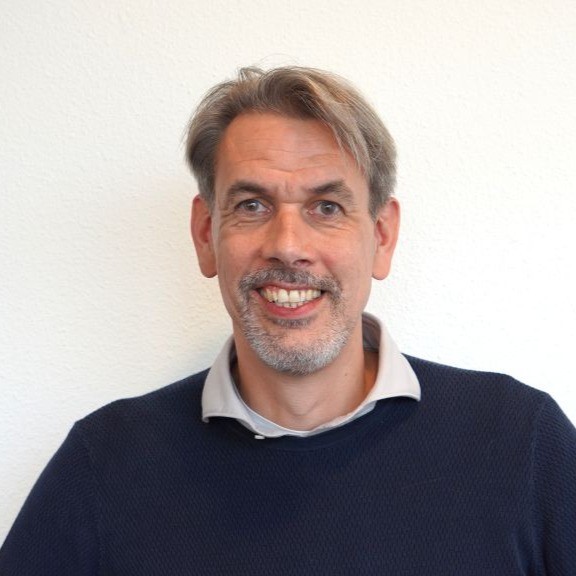
Smart charging is usually implemented as a feature inside a single CPMS. Every operator rebuilds the same logic, and switching platforms means losing it. In this session we show a different architecture: smart charging as an independent app layer that plugs into any CPMS through open protocols. Using our ihomer smart charging implementation on public charging networks in the Netherlands as a live case, we walk through how setpoints and charge point behaviour are orchestrated across platform boundaries, including the failure modes we hit in production and how we solved them. This is "Collaboration at Scale" in practice: an open ecosystem only works if smart charging capabilities are interoperable building blocks rather than platform lock-in features.
Heading 1
Heading 2
Heading 3
Heading 4
Heading 5
Heading 6
Lorem ipsum dolor sit amet, consectetur adipiscing elit, sed do eiusmod tempor incididunt ut labore et dolore magna aliqua. Ut enim ad minim veniam, quis nostrud exercitation ullamco laboris nisi ut aliquip ex ea commodo consequat. Duis aute irure dolor in reprehenderit in voluptate velit esse cillum dolore eu fugiat nulla pariatur.
Block quote
Ordered list
- Item 1
- Item 2
- Item 3
Unordered list
- Item A
- Item B
- Item C
Bold text
Emphasis
Superscript
Subscript
AFIR (EU 2023/1804) has applied directly in every Member State of the European Union since April 2024, and Delegated Regulation (EU) 2025/656 attaches hard dates to its interoperability goals: EN ISO 15118-2 for new and refurbished public stations from 8 January 2026, and EN ISO 15118-20 for all new and refurbished stations, public and private, from 1 January 2027.
.jpg)
Heading 1
Heading 2
Heading 3
Heading 4
Heading 5
Heading 6
Lorem ipsum dolor sit amet, consectetur adipiscing elit, sed do eiusmod tempor incididunt ut labore et dolore magna aliqua. Ut enim ad minim veniam, quis nostrud exercitation ullamco laboris nisi ut aliquip ex ea commodo consequat. Duis aute irure dolor in reprehenderit in voluptate velit esse cillum dolore eu fugiat nulla pariatur.
Block quote
Ordered list
- Item 1
- Item 2
- Item 3
Unordered list
- Item A
- Item B
- Item C
Bold text
Emphasis
Superscript
Subscript
Dragoș Teodorescu, Technical Director at Eldrive Romania, explores how customer needs translate into the technical and operational decisions behind a reliable, scalable EV charging network. He covers how Eldrive selects locations based on traffic flows, demand and network coverage, why key routes need larger multi-point hubs, and how availability, reliability and uptime shape the customer experience. The session also looks at the technology behind the next generation of charging infrastructure, from ultra-fast chargers to systems up to 1 MW, and at why successful hubs belong inside a wider retail and service ecosystem that turns charging time into useful time. Drawing on Eldrive's experience across Bulgaria, Romania and Lithuania, it shows how infrastructure, technology, operations and digital platforms, supported by AMPECO, build a network that is reliable today and ready for growth.

Heading 1
Heading 2
Heading 3
Heading 4
Heading 5
Heading 6
Lorem ipsum dolor sit amet, consectetur adipiscing elit, sed do eiusmod tempor incididunt ut labore et dolore magna aliqua. Ut enim ad minim veniam, quis nostrud exercitation ullamco laboris nisi ut aliquip ex ea commodo consequat. Duis aute irure dolor in reprehenderit in voluptate velit esse cillum dolore eu fugiat nulla pariatur.
Block quote
Ordered list
- Item 1
- Item 2
- Item 3
Unordered list
- Item A
- Item B
- Item C
Bold text
Emphasis
Superscript
Subscript
BloombergNEF opens day two of the AMPECO Ecosystem Stage with its 2026 outlook on charging demand and charging infrastructure. Public charging grew 28% in 2025 to 6.7 million connectors, ultra-fast connectors in Europe and the US grew by almost half, and BNEF puts the investment still needed in the network at $638 billion by 2040. Ryan Fisher covers what sits behind those numbers: electric vehicle power demand, the pace of roll-out, and the technologies now entering the forecast, including battery storage, megawatt charging, robotaxis and truck charging.

Heading 1
Heading 2
Heading 3
Heading 4
Heading 5
Heading 6
Lorem ipsum dolor sit amet, consectetur adipiscing elit, sed do eiusmod tempor incididunt ut labore et dolore magna aliqua. Ut enim ad minim veniam, quis nostrud exercitation ullamco laboris nisi ut aliquip ex ea commodo consequat. Duis aute irure dolor in reprehenderit in voluptate velit esse cillum dolore eu fugiat nulla pariatur.
Block quote
Ordered list
- Item 1
- Item 2
- Item 3
Unordered list
- Item A
- Item B
- Item C
Bold text
Emphasis
Superscript
Subscript
Heading 1
Heading 2
Heading 3
Heading 4
Heading 5
Heading 6
Lorem ipsum dolor sit amet, consectetur adipiscing elit, sed do eiusmod tempor incididunt ut labore et dolore magna aliqua. Ut enim ad minim veniam, quis nostrud exercitation ullamco laboris nisi ut aliquip ex ea commodo consequat. Duis aute irure dolor in reprehenderit in voluptate velit esse cillum dolore eu fugiat nulla pariatur.
Block quote
Ordered list
- Item 1
- Item 2
- Item 3
Unordered list
- Item A
- Item B
- Item C
Bold text
Emphasis
Superscript
Subscript
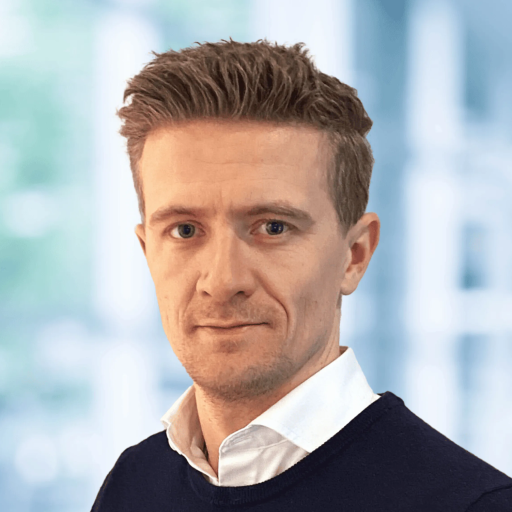
Invite only session.
Heading 1
Heading 2
Heading 3
Heading 4
Heading 5
Heading 6
Lorem ipsum dolor sit amet, consectetur adipiscing elit, sed do eiusmod tempor incididunt ut labore et dolore magna aliqua. Ut enim ad minim veniam, quis nostrud exercitation ullamco laboris nisi ut aliquip ex ea commodo consequat. Duis aute irure dolor in reprehenderit in voluptate velit esse cillum dolore eu fugiat nulla pariatur.
Block quote
Ordered list
- Item 1
- Item 2
- Item 3
Unordered list
- Item A
- Item B
- Item C
Bold text
Emphasis
Superscript
Subscript
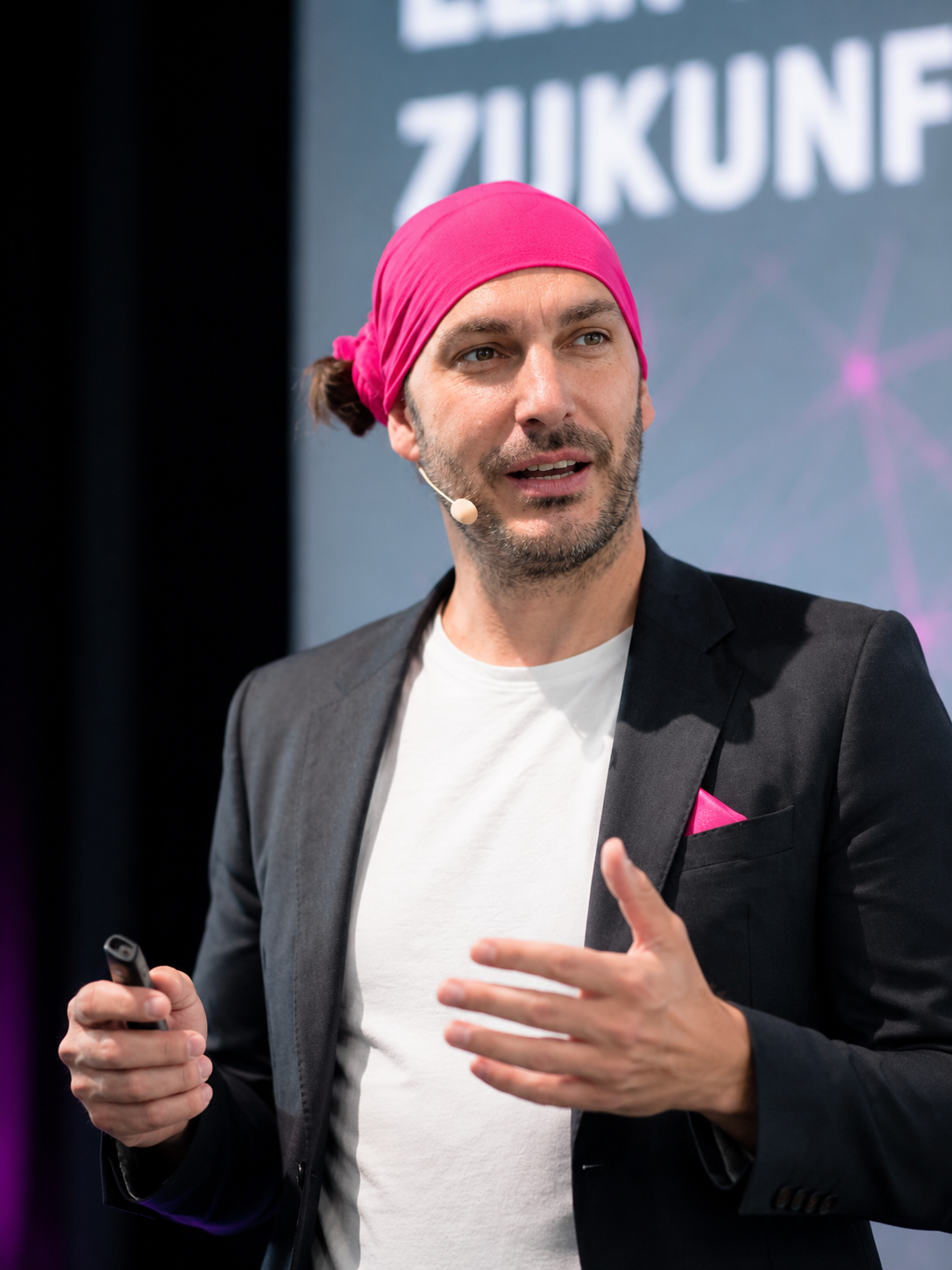
On-site solar power holds enormous potential in Germany, enabling residents to benefit directly from locally generated renewable energy. As electric mobility becomes an integral part of residential energy consumption, EV charging needs to be considered as part of this broader energy ecosystem.
Together, chargeIQ and charge2change demonstrate how charging data can be seamlessly integrated into tenant electricity billing, combining household energy consumption and EV charging into a single bill. The session explores why connecting local energy generation, charging infrastructure and billing is key to unlocking the full potential of residential energy and creating scalable, user-friendly charging solutions.

Heading 1
Heading 2
Heading 3
Heading 4
Heading 5
Heading 6
Lorem ipsum dolor sit amet, consectetur adipiscing elit, sed do eiusmod tempor incididunt ut labore et dolore magna aliqua. Ut enim ad minim veniam, quis nostrud exercitation ullamco laboris nisi ut aliquip ex ea commodo consequat. Duis aute irure dolor in reprehenderit in voluptate velit esse cillum dolore eu fugiat nulla pariatur.
Block quote
Ordered list
- Item 1
- Item 2
- Item 3
Unordered list
- Item A
- Item B
- Item C
Bold text
Emphasis
Superscript
Subscript
In nature, survival of the fittest was never about being the strongest – it was about adapting fastest. The same is becoming true for the EV charging industry. Interoperability has connected us. Adaptability will drive us forward. Complexity is constantly increasing, and requirements are changing faster than ever. The effort it takes to keep up with that change shouldn't rise with it — it should fall. This will determine which market players survive the next decade.

Heading 1
Heading 2
Heading 3
Heading 4
Heading 5
Heading 6
Lorem ipsum dolor sit amet, consectetur adipiscing elit, sed do eiusmod tempor incididunt ut labore et dolore magna aliqua. Ut enim ad minim veniam, quis nostrud exercitation ullamco laboris nisi ut aliquip ex ea commodo consequat. Duis aute irure dolor in reprehenderit in voluptate velit esse cillum dolore eu fugiat nulla pariatur.
Block quote
Ordered list
- Item 1
- Item 2
- Item 3
Unordered list
- Item A
- Item B
- Item C
Bold text
Emphasis
Superscript
Subscript
As the EV charging market continues to mature, the conversation is shifting beyond charger deployment and network growth.
This session explores the market trends, business models, and strategic factors that ultimately determine how value is created and sustained across the charging ecosystem.

Heading 1
Heading 2
Heading 3
Heading 4
Heading 5
Heading 6
Lorem ipsum dolor sit amet, consectetur adipiscing elit, sed do eiusmod tempor incididunt ut labore et dolore magna aliqua. Ut enim ad minim veniam, quis nostrud exercitation ullamco laboris nisi ut aliquip ex ea commodo consequat. Duis aute irure dolor in reprehenderit in voluptate velit esse cillum dolore eu fugiat nulla pariatur.
Block quote
Ordered list
- Item 1
- Item 2
- Item 3
Unordered list
- Item A
- Item B
- Item C
Bold text
Emphasis
Superscript
Subscript
Selling electricity used to be the core of the EV charging business. Now it's just the base layer. Next is orchestrating demand by influencing where and when drivers charge. MSP and CPO 2.0 mark the evolution of both sides of the network, working on two levers instead of one: more value from each session and more sessions from each charger.
Join the panel to find out how the MSP-CPO partnership model makes EV charging pay off for everyone: driving utilisation for CPOs, increasing loyalty for MSPs, easing grid congestion for DSOs and lowering charging costs for drivers.





Heading 1
Heading 2
Heading 3
Heading 4
Heading 5
Heading 6
Lorem ipsum dolor sit amet, consectetur adipiscing elit, sed do eiusmod tempor incididunt ut labore et dolore magna aliqua. Ut enim ad minim veniam, quis nostrud exercitation ullamco laboris nisi ut aliquip ex ea commodo consequat. Duis aute irure dolor in reprehenderit in voluptate velit esse cillum dolore eu fugiat nulla pariatur.
Block quote
Ordered list
- Item 1
- Item 2
- Item 3
Unordered list
- Item A
- Item B
- Item C
Bold text
Emphasis
Superscript
Subscript
Following his presentation, Dragoș Teodorescu takes questions from Nikolay Dobrev of AMPECO and from the audience. The conversation goes behind the slides: how Eldrive decides where to build next across Bulgaria, Romania and Lithuania, what it takes to hold reliability and uptime once a site is live, and where a fast-growing network runs into its limits.

Heading 1
Heading 2
Heading 3
Heading 4
Heading 5
Heading 6
Lorem ipsum dolor sit amet, consectetur adipiscing elit, sed do eiusmod tempor incididunt ut labore et dolore magna aliqua. Ut enim ad minim veniam, quis nostrud exercitation ullamco laboris nisi ut aliquip ex ea commodo consequat. Duis aute irure dolor in reprehenderit in voluptate velit esse cillum dolore eu fugiat nulla pariatur.
Block quote
Ordered list
- Item 1
- Item 2
- Item 3
Unordered list
- Item A
- Item B
- Item C
Bold text
Emphasis
Superscript
Subscript
Fifty electric trucks, one depot, and a grid connection that cannot feed them all at once. Yet every truck has to roll out charged by dawn. The answer is not a bigger grid connection but orchestration: a single real-time plan that coordinates trucks, chargers, on-site solar and battery, electricity prices and the site's power limit, so that every vehicle is ready on time at the lowest energy cost. Under the hood, this is a continuous optimization problem. Departure times and required charge come from the fleet's own systems, each charger behaves a little differently, the available headroom shifts with the sun and the battery, and prices change by the hour. The plan is recomputed continuously and translated into OCPP charging profiles every charger will actually follow. That is collaboration at scale made physical: an open smart charging ecosystem is not only chargers speaking a common language, but every system at a depot speaking to every other, so a site can electrify by using energy and infrastructure smarter instead of waiting for grid expansion. This talk walks through that control loop on a real depot and closes with a live demo of the whole site running as one system.

Heading 1
Heading 2
Heading 3
Heading 4
Heading 5
Heading 6
Lorem ipsum dolor sit amet, consectetur adipiscing elit, sed do eiusmod tempor incididunt ut labore et dolore magna aliqua. Ut enim ad minim veniam, quis nostrud exercitation ullamco laboris nisi ut aliquip ex ea commodo consequat. Duis aute irure dolor in reprehenderit in voluptate velit esse cillum dolore eu fugiat nulla pariatur.
Block quote
Ordered list
- Item 1
- Item 2
- Item 3
Unordered list
- Item A
- Item B
- Item C
Bold text
Emphasis
Superscript
Subscript
As DC fleet charging rolls out for trucks and buses across Europe, CPOs and fleet operators face the same old constraints. Grid connections are still limited, energy prices are still volatile – and now we’re charging MWs per vehicle, not 32 kW. Intelligent load management is more important than ever, but where should it actually happen, in the cloud or locally? This session takes a clear position on that debate, and what’s at risk for operators when it’s underestimated. At the protocol layer, that means examining how OCPP and Modbus fit together in practice, and whether OCPP proxy setups support interoperability. The core argument is that a smart charging ecosystem thrives when every component focuses on what it does best, while working closely with the others.

Heading 1
Heading 2
Heading 3
Heading 4
Heading 5
Heading 6
Lorem ipsum dolor sit amet, consectetur adipiscing elit, sed do eiusmod tempor incididunt ut labore et dolore magna aliqua. Ut enim ad minim veniam, quis nostrud exercitation ullamco laboris nisi ut aliquip ex ea commodo consequat. Duis aute irure dolor in reprehenderit in voluptate velit esse cillum dolore eu fugiat nulla pariatur.
Block quote
Ordered list
- Item 1
- Item 2
- Item 3
Unordered list
- Item A
- Item B
- Item C
Bold text
Emphasis
Superscript
Subscript
Charging networks are becoming energy platforms, and the value is moving with them. In this session, Yasmine Assef looks at where CPO profitability stands today, the new value pools opening up around energy, and the capabilities and tools operators need to capture them. Drawing on AFRY Management Consulting’s work with operators, investors and utilities across the energy transition, she maps what it takes to turn energy capability into financial return.

Heading 1
Heading 2
Heading 3
Heading 4
Heading 5
Heading 6
Lorem ipsum dolor sit amet, consectetur adipiscing elit, sed do eiusmod tempor incididunt ut labore et dolore magna aliqua. Ut enim ad minim veniam, quis nostrud exercitation ullamco laboris nisi ut aliquip ex ea commodo consequat. Duis aute irure dolor in reprehenderit in voluptate velit esse cillum dolore eu fugiat nulla pariatur.
Block quote
Ordered list
- Item 1
- Item 2
- Item 3
Unordered list
- Item A
- Item B
- Item C
Bold text
Emphasis
Superscript
Subscript
Tapping a card at a charger looks simple. Behind that tap sits a payment infrastructure most drivers never think about, one that's evolving faster than most CPOs can keep up with.Velizar Velkov (e-Mobility Payment Expert, Worldline) opens with a short presentation on where that infrastructure is heading, then joins Yavor Yordanov (Payment Technologies Director, AMPECO) for an open conversation on the two layers every CPO must manage: the credentials drivers never see, and the terminals they touch every day. They'll break down where each one is causing real headaches right now, where it's opening space to compete. Tokens, acceptance rates, OCPI's rise, and a first look at the Castles S1U2 Mini: what's changing now, and what should already be on your radar for 2027.On the table:
• Network tokens and credentials that outlive the physical card
• Acceptance rates and processing costs, where the money leaks
• What CPOs demand from unattended terminals
• Why OCPI took over the payment's conversation
• The terminal as the charger's screen, UX not just payment
• Embedded vs. API vs. OCPI vs. Android, how to choose
• A first look at the Castles S1U2 MiniIf you manage a charging network, or build the tech behind one, this is the session that connects the payment stack you don't see to the one your drivers do.


Heading 1
Heading 2
Heading 3
Heading 4
Heading 5
Heading 6
Lorem ipsum dolor sit amet, consectetur adipiscing elit, sed do eiusmod tempor incididunt ut labore et dolore magna aliqua. Ut enim ad minim veniam, quis nostrud exercitation ullamco laboris nisi ut aliquip ex ea commodo consequat. Duis aute irure dolor in reprehenderit in voluptate velit esse cillum dolore eu fugiat nulla pariatur.
Block quote
Ordered list
- Item 1
- Item 2
- Item 3
Unordered list
- Item A
- Item B
- Item C
Bold text
Emphasis
Superscript
Subscript
Heading 1
Heading 2
Heading 3
Heading 4
Heading 5
Heading 6
Lorem ipsum dolor sit amet, consectetur adipiscing elit, sed do eiusmod tempor incididunt ut labore et dolore magna aliqua. Ut enim ad minim veniam, quis nostrud exercitation ullamco laboris nisi ut aliquip ex ea commodo consequat. Duis aute irure dolor in reprehenderit in voluptate velit esse cillum dolore eu fugiat nulla pariatur.
Block quote
Ordered list
- Item 1
- Item 2
- Item 3
Unordered list
- Item A
- Item B
- Item C
Bold text
Emphasis
Superscript
Subscript
With major funding approvals and tenders won, the German truck charging market faces its next big hurdle: execution. The Pass-Through Model has become a central topic, with 50% of successful subsidy applications (call C) integrating it. Yet, it is still causing significant uncertainty among market players. In this short impulse, we take an independent, objective look at the Pass-Through Model, cut through the complexity, and explore what role traditional Roaming might play in the future of truck charging and it's heavy-duty challenges.

Heading 1
Heading 2
Heading 3
Heading 4
Heading 5
Heading 6
Lorem ipsum dolor sit amet, consectetur adipiscing elit, sed do eiusmod tempor incididunt ut labore et dolore magna aliqua. Ut enim ad minim veniam, quis nostrud exercitation ullamco laboris nisi ut aliquip ex ea commodo consequat. Duis aute irure dolor in reprehenderit in voluptate velit esse cillum dolore eu fugiat nulla pariatur.
Block quote
Ordered list
- Item 1
- Item 2
- Item 3
Unordered list
- Item A
- Item B
- Item C
Bold text
Emphasis
Superscript
Subscript
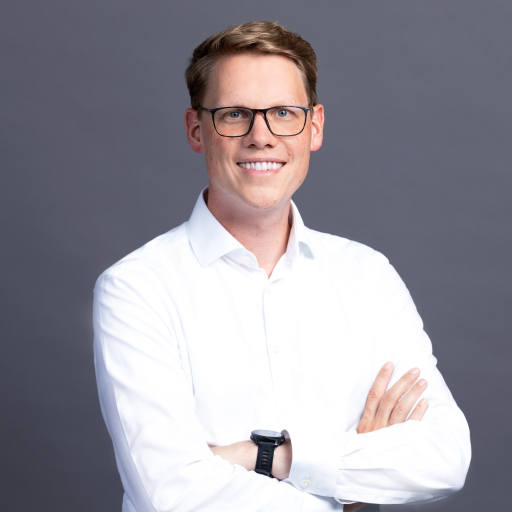
Smart charging doesn't happen by itself — every smart charging session sits between grid constraints, regulatory requirements, and driver expectations as well as commercial expectations , and those forces don't always pull in the same direction. This panel examines how that tension plays out in real deployments: what grid operators need to see, what regulation currently allows or blocks, and what drivers will actually tolerate before smart charging starts to feel like a compromise rather than a benefit. Panelists will share where practice has forced a rethink of theory.



Heading 1
Heading 2
Heading 3
Heading 4
Heading 5
Heading 6
Lorem ipsum dolor sit amet, consectetur adipiscing elit, sed do eiusmod tempor incididunt ut labore et dolore magna aliqua. Ut enim ad minim veniam, quis nostrud exercitation ullamco laboris nisi ut aliquip ex ea commodo consequat. Duis aute irure dolor in reprehenderit in voluptate velit esse cillum dolore eu fugiat nulla pariatur.
Block quote
Ordered list
- Item 1
- Item 2
- Item 3
Unordered list
- Item A
- Item B
- Item C
Bold text
Emphasis
Superscript
Subscript
EV charging reliability is often a story of death by a thousand cuts. Small, seemingly isolated issues across chargers, networks, software, and operations compound over time - eroding Charge Success, increasing operating costs, and leaving revenue unrealized. And too often, drivers feel those cuts before operators even know there’s a problem, leaving revenue on the table.
In this session, Andrea will use real-world operator experiences, data, and use cases to expose the reliability problems hiding beneath traditional uptime metrics. She’ll show how issues that appear minor - or remain completely invisible in conventional monitoring - can accumulate into failed or frustrating charging experiences and significant operational and financial impact.
Attendees will see how connecting fragmented data and looking at reliability through the lens of Charge Success can surface these hidden problems earlier, uncover their root causes, and help operators act before their customers become the first warning system.
In this session, Andrea will use real-world operator experiences, data, and use cases to expose the reliability problems hiding beneath traditional uptime metrics. She’ll show how issues that appear minor - or remain completely invisible in conventional monitoring - can accumulate into failed or frustrating charging experiences and significant operational and financial impact.
Attendees will see how connecting fragmented data and looking at reliability through the lens of Charge Success can surface these hidden problems earlier, uncover their root causes, and help operators act before their customers become the first warning system.

Heading 1
Heading 2
Heading 3
Heading 4
Heading 5
Heading 6
Lorem ipsum dolor sit amet, consectetur adipiscing elit, sed do eiusmod tempor incididunt ut labore et dolore magna aliqua. Ut enim ad minim veniam, quis nostrud exercitation ullamco laboris nisi ut aliquip ex ea commodo consequat. Duis aute irure dolor in reprehenderit in voluptate velit esse cillum dolore eu fugiat nulla pariatur.
Block quote
Ordered list
- Item 1
- Item 2
- Item 3
Unordered list
- Item A
- Item B
- Item C
Bold text
Emphasis
Superscript
Subscript
Small and mid-sized fleets need reliable access to charging along their routes. While public charging infrastructure is growing, coverage is still limited in many areas and can come at a higher cost.
One way to close this gap faster is to make better use of depot charging infrastructure that already exists. That’s why Spirii has partnered with Daimler Truck to build the TruckCharge network – enabling fleets to open their depot chargers to trusted partners.
The result is a shared charging network where depot owners can generate revenue from available capacity, while other fleets gain access to reliable and cost-effective charging where they need it.

Heading 1
Heading 2
Heading 3
Heading 4
Heading 5
Heading 6
Lorem ipsum dolor sit amet, consectetur adipiscing elit, sed do eiusmod tempor incididunt ut labore et dolore magna aliqua. Ut enim ad minim veniam, quis nostrud exercitation ullamco laboris nisi ut aliquip ex ea commodo consequat. Duis aute irure dolor in reprehenderit in voluptate velit esse cillum dolore eu fugiat nulla pariatur.
Block quote
Ordered list
- Item 1
- Item 2
- Item 3
Unordered list
- Item A
- Item B
- Item C
Bold text
Emphasis
Superscript
Subscript
Truck charging looks like car charging at a bigger scale, and that assumption quietly reshapes the service model most operators rely on. One truck can consume the energy of up to 40 cars in a single session, and therefore transaction-based economics give way to a volume-driven logic that changes what drivers, CPOs and fleets need from a charging service.

Heading 1
Heading 2
Heading 3
Heading 4
Heading 5
Heading 6
Lorem ipsum dolor sit amet, consectetur adipiscing elit, sed do eiusmod tempor incididunt ut labore et dolore magna aliqua. Ut enim ad minim veniam, quis nostrud exercitation ullamco laboris nisi ut aliquip ex ea commodo consequat. Duis aute irure dolor in reprehenderit in voluptate velit esse cillum dolore eu fugiat nulla pariatur.
Block quote
Ordered list
- Item 1
- Item 2
- Item 3
Unordered list
- Item A
- Item B
- Item C
Bold text
Emphasis
Superscript
Subscript
The race for EV charging leadership is changing. Installed charge points alone say increasingly little about economic value: location quality, energy throughput, customer relationships and operating efficiency matter far more. As investors optimise portfolios and consolidation gathers pace, we examine what the next generation of valuable charging platforms will look like.

Heading 1
Heading 2
Heading 3
Heading 4
Heading 5
Heading 6
Lorem ipsum dolor sit amet, consectetur adipiscing elit, sed do eiusmod tempor incididunt ut labore et dolore magna aliqua. Ut enim ad minim veniam, quis nostrud exercitation ullamco laboris nisi ut aliquip ex ea commodo consequat. Duis aute irure dolor in reprehenderit in voluptate velit esse cillum dolore eu fugiat nulla pariatur.
Block quote
Ordered list
- Item 1
- Item 2
- Item 3
Unordered list
- Item A
- Item B
- Item C
Bold text
Emphasis
Superscript
Subscript
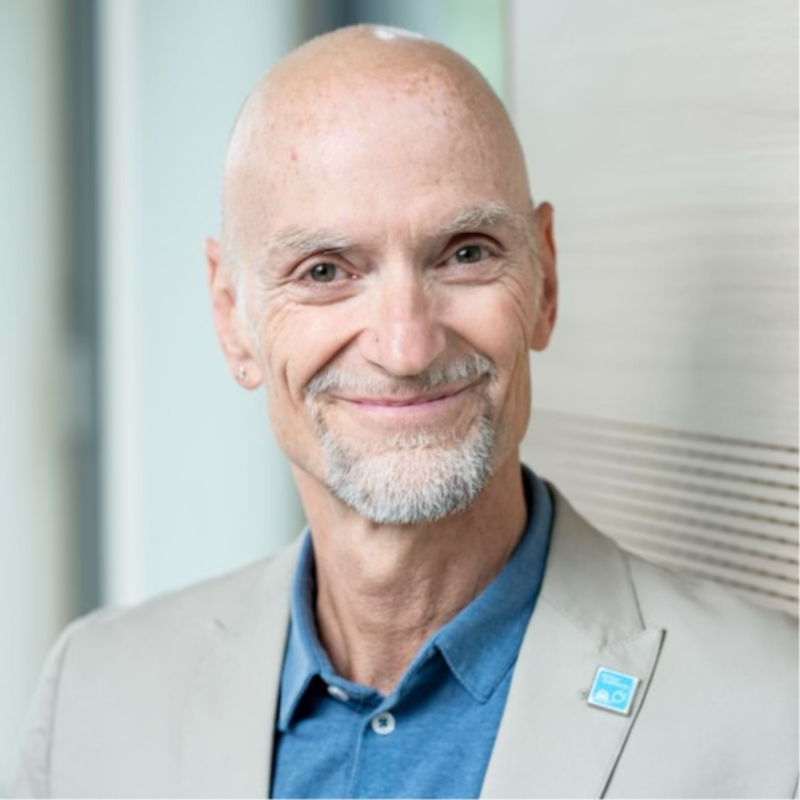
Plug&Charge has proven its value primarily on fast high-powered DC and HPC corridors, where drivers charge once and move on. But the larger everyday opportunity lies elsewhere: on AC infrastructure, where vehicles charge repeatedly in fleet depots, workplace car parks, retail sites and municipal networks. These are the places where charging happens in around 90 percent of cases and where a seamless authentication experience can make the biggest operational difference.
This panel brings together Hubject's trust and interoperability layer with chargecloud's stable frontline view from hundreds of customers and 100,000+ charge points, most of them exactly the fleet, workplace, and utility deployments where AC charging is common. Together they will explore what it takes to make Plug & Charge real: certificate infrastructure, backend readiness, hardware requirements, retrofit paths and, most importantly, how EV drivers and fleet operators will benefit from Plug&Charge at AC stations and wallboxes.




Heading 1
Heading 2
Heading 3
Heading 4
Heading 5
Heading 6
Lorem ipsum dolor sit amet, consectetur adipiscing elit, sed do eiusmod tempor incididunt ut labore et dolore magna aliqua. Ut enim ad minim veniam, quis nostrud exercitation ullamco laboris nisi ut aliquip ex ea commodo consequat. Duis aute irure dolor in reprehenderit in voluptate velit esse cillum dolore eu fugiat nulla pariatur.
Block quote
Ordered list
- Item 1
- Item 2
- Item 3
Unordered list
- Item A
- Item B
- Item C
Bold text
Emphasis
Superscript
Subscript
Truck depot charging sits at the intersection of power infrastructure, fleet operations and financial performance. Drawing on real-world experience, this session explores how operators can avoid vendor lock-in, disconnected point solutions and growing operational complexity while building scalable charging ecosystems that support fleet growth, grid integration and long-term TCO optimisation.
It also challenges common assumptions around charging-sharing models. While attractive in theory, many shared charging concepts introduce operational dependencies, reduced control, competing priorities and additional complexity that can impact fleet availability and charging reliability.
Learn why integrated, interoperable charging architectures often outperform fragmented or shared approaches when it comes to scalability, resilience and minimising total cost of ownership.

Heading 1
Heading 2
Heading 3
Heading 4
Heading 5
Heading 6
Lorem ipsum dolor sit amet, consectetur adipiscing elit, sed do eiusmod tempor incididunt ut labore et dolore magna aliqua. Ut enim ad minim veniam, quis nostrud exercitation ullamco laboris nisi ut aliquip ex ea commodo consequat. Duis aute irure dolor in reprehenderit in voluptate velit esse cillum dolore eu fugiat nulla pariatur.
Block quote
Ordered list
- Item 1
- Item 2
- Item 3
Unordered list
- Item A
- Item B
- Item C
Bold text
Emphasis
Superscript
Subscript

Heading 1
Heading 2
Heading 3
Heading 4
Heading 5
Heading 6
Lorem ipsum dolor sit amet, consectetur adipiscing elit, sed do eiusmod tempor incididunt ut labore et dolore magna aliqua. Ut enim ad minim veniam, quis nostrud exercitation ullamco laboris nisi ut aliquip ex ea commodo consequat. Duis aute irure dolor in reprehenderit in voluptate velit esse cillum dolore eu fugiat nulla pariatur.
Block quote
Ordered list
- Item 1
- Item 2
- Item 3
Unordered list
- Item A
- Item B
- Item C
Bold text
Emphasis
Superscript
Subscript
Heavy transport charging moves quickly from kilowatts to megawatts, and grid connections cannot keep pace. High-capacity connections can take years to secure, creating a structural mismatch between fleet electrification timelines and network delivery. This session takes an engineering view of how battery-integrated, grid-smart charging architecture resolves that mismatch: centralised power conversion for multi-megawatt sites, integrated storage to operate within constrained connections, and smart load management that treats the site as a coordinated energy system rather than a collection of chargers.
The topic of this session connects directly to the icnc26 theme. Deploying this architecture at scale is not something any single player can do alone. It requires open interfaces between chargers, storage, energy management, and network operators, and shared technical standards that let CPOs, fleet operators, and OEMs build on common ground. The talk sets out where open collaboration is already working in high-power charging, where the technical gaps remain, and what the ecosystem needs to agree on next to make megawatt charging deployable today rather than after the grid catches up.

Heading 1
Heading 2
Heading 3
Heading 4
Heading 5
Heading 6
Lorem ipsum dolor sit amet, consectetur adipiscing elit, sed do eiusmod tempor incididunt ut labore et dolore magna aliqua. Ut enim ad minim veniam, quis nostrud exercitation ullamco laboris nisi ut aliquip ex ea commodo consequat. Duis aute irure dolor in reprehenderit in voluptate velit esse cillum dolore eu fugiat nulla pariatur.
Block quote
Ordered list
- Item 1
- Item 2
- Item 3
Unordered list
- Item A
- Item B
- Item C
Bold text
Emphasis
Superscript
Subscript

Heading 1
Heading 2
Heading 3
Heading 4
Heading 5
Heading 6
Lorem ipsum dolor sit amet, consectetur adipiscing elit, sed do eiusmod tempor incididunt ut labore et dolore magna aliqua. Ut enim ad minim veniam, quis nostrud exercitation ullamco laboris nisi ut aliquip ex ea commodo consequat. Duis aute irure dolor in reprehenderit in voluptate velit esse cillum dolore eu fugiat nulla pariatur.
Block quote
Ordered list
- Item 1
- Item 2
- Item 3
Unordered list
- Item A
- Item B
- Item C
Bold text
Emphasis
Superscript
Subscript
Eranovum operates one of Europe's largest destination-charging networks, over 1,300 charge points across Spain, France and Belgium, powered by 100% renewable energy. In this session, Nicolás Rojas Correa and David Vallespín will introduce Eranovum's model, then sit down for a conversation about how they operate and scale their charging network.


Heading 1
Heading 2
Heading 3
Heading 4
Heading 5
Heading 6
Lorem ipsum dolor sit amet, consectetur adipiscing elit, sed do eiusmod tempor incididunt ut labore et dolore magna aliqua. Ut enim ad minim veniam, quis nostrud exercitation ullamco laboris nisi ut aliquip ex ea commodo consequat. Duis aute irure dolor in reprehenderit in voluptate velit esse cillum dolore eu fugiat nulla pariatur.
Block quote
Ordered list
- Item 1
- Item 2
- Item 3
Unordered list
- Item A
- Item B
- Item C
Bold text
Emphasis
Superscript
Subscript
Hubject has adopted OCPI 2.2.1 as an additional protocol for connecting to intercharge, the largest eRoaming network. This session covers where that adoption stands today, and how you can onboard to intercharge via OCPI.

Heading 1
Heading 2
Heading 3
Heading 4
Heading 5
Heading 6
Lorem ipsum dolor sit amet, consectetur adipiscing elit, sed do eiusmod tempor incididunt ut labore et dolore magna aliqua. Ut enim ad minim veniam, quis nostrud exercitation ullamco laboris nisi ut aliquip ex ea commodo consequat. Duis aute irure dolor in reprehenderit in voluptate velit esse cillum dolore eu fugiat nulla pariatur.
Block quote
Ordered list
- Item 1
- Item 2
- Item 3
Unordered list
- Item A
- Item B
- Item C
Bold text
Emphasis
Superscript
Subscript
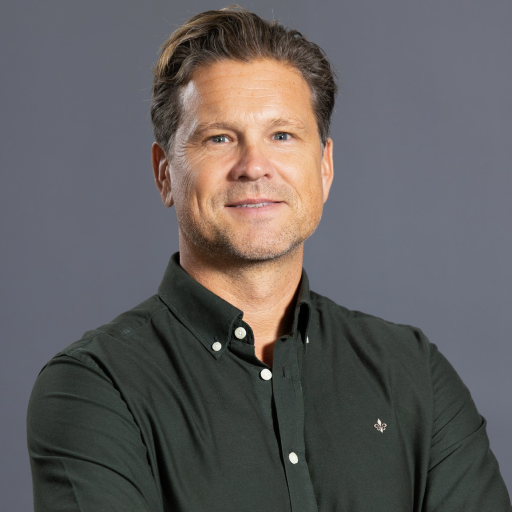
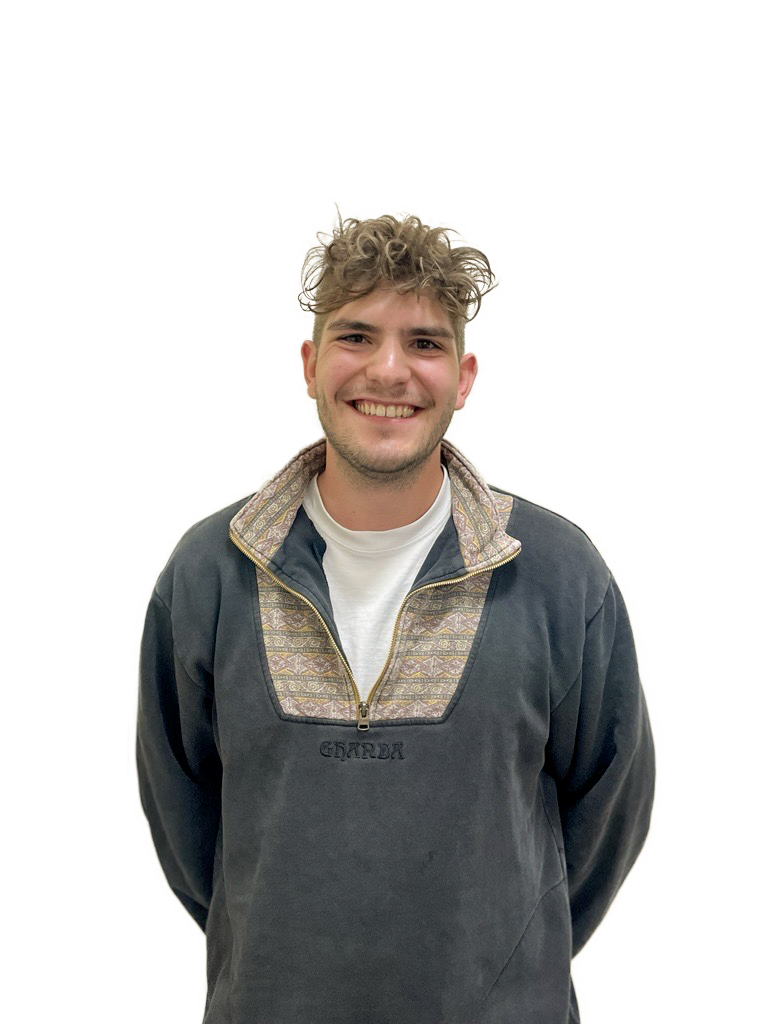
Start-Up Award Finalists





Heading 1
Heading 2
Heading 3
Heading 4
Heading 5
Heading 6
Lorem ipsum dolor sit amet, consectetur adipiscing elit, sed do eiusmod tempor incididunt ut labore et dolore magna aliqua. Ut enim ad minim veniam, quis nostrud exercitation ullamco laboris nisi ut aliquip ex ea commodo consequat. Duis aute irure dolor in reprehenderit in voluptate velit esse cillum dolore eu fugiat nulla pariatur.
Block quote
Ordered list
- Item 1
- Item 2
- Item 3
Unordered list
- Item A
- Item B
- Item C
Bold text
Emphasis
Superscript
Subscript
Roaming has been instrumental in improving EV driver access to charging networks, but challenges remain around interoperability, pricing transparency, and user experience. As the industry matures, what role will roaming play in the future charging ecosystem?
This panel will explore the path towards true interoperability, evolving business models, and how increasing transparency, standardization, and market consolidation could reshape where value is created, and who captures it.



Heading 1
Heading 2
Heading 3
Heading 4
Heading 5
Heading 6
Lorem ipsum dolor sit amet, consectetur adipiscing elit, sed do eiusmod tempor incididunt ut labore et dolore magna aliqua. Ut enim ad minim veniam, quis nostrud exercitation ullamco laboris nisi ut aliquip ex ea commodo consequat. Duis aute irure dolor in reprehenderit in voluptate velit esse cillum dolore eu fugiat nulla pariatur.
Block quote
Ordered list
- Item 1
- Item 2
- Item 3
Unordered list
- Item A
- Item B
- Item C
Bold text
Emphasis
Superscript
Subscript
Nicolás Rojas Correa and David Vallespín join Zurab Pertsuliani of AMPECO to go further into what it actually takes to operate one network across Spain, France and Belgium. The conversation covers migrating more than 1,100 charge points without disrupting drivers, and how roaming and interoperability became a growth lever rather than a compliance task.

Heading 1
Heading 2
Heading 3
Heading 4
Heading 5
Heading 6
Lorem ipsum dolor sit amet, consectetur adipiscing elit, sed do eiusmod tempor incididunt ut labore et dolore magna aliqua. Ut enim ad minim veniam, quis nostrud exercitation ullamco laboris nisi ut aliquip ex ea commodo consequat. Duis aute irure dolor in reprehenderit in voluptate velit esse cillum dolore eu fugiat nulla pariatur.
Block quote
Ordered list
- Item 1
- Item 2
- Item 3
Unordered list
- Item A
- Item B
- Item C
Bold text
Emphasis
Superscript
Subscript
Open standards get systems talking to each other. They don't get them thinking together.
As our industry commits to true interoperability - cross-border roaming, shared protocols, common data models - we're solving the connectivity problem. But mass EV adoption isn't bottlenecked by whether data can move between systems. It's bottlenecked by whether that data turns into a decision fast enough: which charger to prioritize, when to shift load, how to balance a grid constraint against a driver's charging window - across networks, across borders, in real time.
That's the job of an Intelligence Layer: the decision-making capability that sits on top of an open ecosystem and turns shared data into coordinated, automated action - for CPOs, energy providers, and mobility players alike.
This keynote makes the case that as energy and mobility converge, the winners won't be the ones with the most connections. They'll be the ones who paired open collaboration with real intelligence. And it's a call to the industry to build that layer.

Heading 1
Heading 2
Heading 3
Heading 4
Heading 5
Heading 6
Lorem ipsum dolor sit amet, consectetur adipiscing elit, sed do eiusmod tempor incididunt ut labore et dolore magna aliqua. Ut enim ad minim veniam, quis nostrud exercitation ullamco laboris nisi ut aliquip ex ea commodo consequat. Duis aute irure dolor in reprehenderit in voluptate velit esse cillum dolore eu fugiat nulla pariatur.
Block quote
Ordered list
- Item 1
- Item 2
- Item 3
Unordered list
- Item A
- Item B
- Item C
Bold text
Emphasis
Superscript
Subscript
A change of pace from the industry and infrastructure conversations: this session centers the EV driver's own experience of vehicle-to-grid charging — what it's actually like day to day, what surprised them, and whether the promised benefits held up in practice. A grounded, personal counterpoint to the panels on standards, investment, and policy — a reminder of who the ecosystem is ultimately being built for.



Heading 1
Heading 2
Heading 3
Heading 4
Heading 5
Heading 6
Lorem ipsum dolor sit amet, consectetur adipiscing elit, sed do eiusmod tempor incididunt ut labore et dolore magna aliqua. Ut enim ad minim veniam, quis nostrud exercitation ullamco laboris nisi ut aliquip ex ea commodo consequat. Duis aute irure dolor in reprehenderit in voluptate velit esse cillum dolore eu fugiat nulla pariatur.
Block quote
Ordered list
- Item 1
- Item 2
- Item 3
Unordered list
- Item A
- Item B
- Item C
Bold text
Emphasis
Superscript
Subscript
The official opening for the icnc26 event and the Tech Village stage

Heading 1
Heading 2
Heading 3
Heading 4
Heading 5
Heading 6
Lorem ipsum dolor sit amet, consectetur adipiscing elit, sed do eiusmod tempor incididunt ut labore et dolore magna aliqua. Ut enim ad minim veniam, quis nostrud exercitation ullamco laboris nisi ut aliquip ex ea commodo consequat. Duis aute irure dolor in reprehenderit in voluptate velit esse cillum dolore eu fugiat nulla pariatur.
Block quote
Ordered list
- Item 1
- Item 2
- Item 3
Unordered list
- Item A
- Item B
- Item C
Bold text
Emphasis
Superscript
Subscript
Heading 1
Heading 2
Heading 3
Heading 4
Heading 5
Heading 6
Lorem ipsum dolor sit amet, consectetur adipiscing elit, sed do eiusmod tempor incididunt ut labore et dolore magna aliqua. Ut enim ad minim veniam, quis nostrud exercitation ullamco laboris nisi ut aliquip ex ea commodo consequat. Duis aute irure dolor in reprehenderit in voluptate velit esse cillum dolore eu fugiat nulla pariatur.
Block quote
Ordered list
- Item 1
- Item 2
- Item 3
Unordered list
- Item A
- Item B
- Item C
Bold text
Emphasis
Superscript
Subscript
Approximately 50% of EVs today cannot participate in public smart charging because their API is not able to steer the session. Smart charging needs another way to reach the other 50% if it is going to scale and provide the flexibility the grid needs to support the energy transition. This session presents how OCPI 2.2.1 Charging Profiles open that route, scaling public smart charging through interoperability between the MSP and the CPO. With OCPI 2.2.1 Charging Profiles, the MSP builds an optimised profile from the driver’s departure time and state of charge and sends it to the charge point, which allows the CPO to keep control of the session. Steering now happens at the charger rather than through the vehicle API, so it works for any car plugged in, with or without one. Live across 1,500 charge points in the Netherlands from August 2026, Charging Profiles raise the scope of steerable sessions from roughly 50% to 70% OEMs, and potentially to 100% as more are set to adopt the standard.
In this session you’ll learn how charger-side steering works end to end, why it achieves the reliable charging execution that drives wider adoption, and above all, how MSP-CPO interoperability is the mechanism for scaling smart charging across all networks.

Heading 1
Heading 2
Heading 3
Heading 4
Heading 5
Heading 6
Lorem ipsum dolor sit amet, consectetur adipiscing elit, sed do eiusmod tempor incididunt ut labore et dolore magna aliqua. Ut enim ad minim veniam, quis nostrud exercitation ullamco laboris nisi ut aliquip ex ea commodo consequat. Duis aute irure dolor in reprehenderit in voluptate velit esse cillum dolore eu fugiat nulla pariatur.
Block quote
Ordered list
- Item 1
- Item 2
- Item 3
Unordered list
- Item A
- Item B
- Item C
Bold text
Emphasis
Superscript
Subscript
The widespread adoption of electric mobility requires an open, interoperable charging ecosystem that connects a wide range of stakeholders—from vehicles and charging stations to grid operators—across organizational and national boundaries.
However, increasing connectivity also raises cyber risks: vehicles and charging infrastructure are physically accessible, long-lived, and increasingly connected to critical energy systems. A single security incident in these systems can have cascading effects on the interconnected power grid and other market participants.
Using current findings from the ELISA research project, this presentation demonstrates how standardized and interoperable security technologies can be used to create robust, hardware security-based architectures. These architectures address shared risks and help establishing an open, intelligent, and secure charging ecosystem.

Heading 1
Heading 2
Heading 3
Heading 4
Heading 5
Heading 6
Lorem ipsum dolor sit amet, consectetur adipiscing elit, sed do eiusmod tempor incididunt ut labore et dolore magna aliqua. Ut enim ad minim veniam, quis nostrud exercitation ullamco laboris nisi ut aliquip ex ea commodo consequat. Duis aute irure dolor in reprehenderit in voluptate velit esse cillum dolore eu fugiat nulla pariatur.
Block quote
Ordered list
- Item 1
- Item 2
- Item 3
Unordered list
- Item A
- Item B
- Item C
Bold text
Emphasis
Superscript
Subscript
As eMobility platforms scale, communications must move beyond simple alerts and become intelligent, contextual, and proactive. In this talk, Infobip will explore how Agentic AI, with AgentOS at the core, can orchestrate customer and operational communications across the charging journey, from a vehicle needing charge to charge completion, payment updates, support escalation, and fleet notifications.The session will also look at broader communications trends and what "agentic" means in practice for B2B platforms operating in high-volume, time-sensitive environments. It will highlight how AI-driven orchestration can improve reliability, reduce friction, and create better driver and partner experiences at scale, using eMobility and adjacent industry use cases to show practical business value.

Heading 1
Heading 2
Heading 3
Heading 4
Heading 5
Heading 6
Lorem ipsum dolor sit amet, consectetur adipiscing elit, sed do eiusmod tempor incididunt ut labore et dolore magna aliqua. Ut enim ad minim veniam, quis nostrud exercitation ullamco laboris nisi ut aliquip ex ea commodo consequat. Duis aute irure dolor in reprehenderit in voluptate velit esse cillum dolore eu fugiat nulla pariatur.
Block quote
Ordered list
- Item 1
- Item 2
- Item 3
Unordered list
- Item A
- Item B
- Item C
Bold text
Emphasis
Superscript
Subscript
Europe passed a million public charge points and utilisation did not move with them. John Murray brings LCP Delta's latest utilisation projections to the stage to answer the question that follows: how much charging infrastructure is actually enough, and where does the next charge point built earn its return? He covers how utilisation is trending by charger speed and by location, what the projections imply for build rates through the rest of the decade, and what separates the sites that fill from the sites that sit idle. The figures come from LCP Delta's EV Charging Service, the subscription research programme it has run for close to a decade.

Heading 1
Heading 2
Heading 3
Heading 4
Heading 5
Heading 6
Lorem ipsum dolor sit amet, consectetur adipiscing elit, sed do eiusmod tempor incididunt ut labore et dolore magna aliqua. Ut enim ad minim veniam, quis nostrud exercitation ullamco laboris nisi ut aliquip ex ea commodo consequat. Duis aute irure dolor in reprehenderit in voluptate velit esse cillum dolore eu fugiat nulla pariatur.
Block quote
Ordered list
- Item 1
- Item 2
- Item 3
Unordered list
- Item A
- Item B
- Item C
Bold text
Emphasis
Superscript
Subscript
This panel brings together leading representatives from national associations to exchange perspectives on the development of demand-side flexibility and smart and bidirectional charging. The aim is to identify common lessons, remaining barriers, and priority actions needed to accelerate deployment across Europe and move from fragmented pilots to scalable, market-based solutions.





.JPG)
Heading 1
Heading 2
Heading 3
Heading 4
Heading 5
Heading 6
Lorem ipsum dolor sit amet, consectetur adipiscing elit, sed do eiusmod tempor incididunt ut labore et dolore magna aliqua. Ut enim ad minim veniam, quis nostrud exercitation ullamco laboris nisi ut aliquip ex ea commodo consequat. Duis aute irure dolor in reprehenderit in voluptate velit esse cillum dolore eu fugiat nulla pariatur.
Block quote
Ordered list
- Item 1
- Item 2
- Item 3
Unordered list
- Item A
- Item B
- Item C
Bold text
Emphasis
Superscript
Subscript
As electric trucks find their place on Europe's roads, the question of how charging fits into logistics operations is becoming more relevant. This panel brings together fleets, charge point operators and booking platforms to discuss what it takes to make reserved charging work, which challenges remain, and how demand might develop across markets, exploring where the technology stands today and what we can expect from the market going forward.





Heading 1
Heading 2
Heading 3
Heading 4
Heading 5
Heading 6
Lorem ipsum dolor sit amet, consectetur adipiscing elit, sed do eiusmod tempor incididunt ut labore et dolore magna aliqua. Ut enim ad minim veniam, quis nostrud exercitation ullamco laboris nisi ut aliquip ex ea commodo consequat. Duis aute irure dolor in reprehenderit in voluptate velit esse cillum dolore eu fugiat nulla pariatur.
Block quote
Ordered list
- Item 1
- Item 2
- Item 3
Unordered list
- Item A
- Item B
- Item C
Bold text
Emphasis
Superscript
Subscript
Heading 1
Heading 2
Heading 3
Heading 4
Heading 5
Heading 6
Lorem ipsum dolor sit amet, consectetur adipiscing elit, sed do eiusmod tempor incididunt ut labore et dolore magna aliqua. Ut enim ad minim veniam, quis nostrud exercitation ullamco laboris nisi ut aliquip ex ea commodo consequat. Duis aute irure dolor in reprehenderit in voluptate velit esse cillum dolore eu fugiat nulla pariatur.
Block quote
Ordered list
- Item 1
- Item 2
- Item 3
Unordered list
- Item A
- Item B
- Item C
Bold text
Emphasis
Superscript
Subscript
Smart and bidirectional charging are repeatingly framed as the next big value pool in eMobility — but the investment case isn't uniform across the fragmented EV ecosystem. This panel takes a critical look at if and where the money is actually flowing, where returns are proving harder to realize than the pitch decks suggested, and which parts of the smart charging stack are genuinely investable today versus still speculative. Expect a frank, occasionally skeptical conversation aimed at separating durable opportunity from hype.


Heading 1
Heading 2
Heading 3
Heading 4
Heading 5
Heading 6
Lorem ipsum dolor sit amet, consectetur adipiscing elit, sed do eiusmod tempor incididunt ut labore et dolore magna aliqua. Ut enim ad minim veniam, quis nostrud exercitation ullamco laboris nisi ut aliquip ex ea commodo consequat. Duis aute irure dolor in reprehenderit in voluptate velit esse cillum dolore eu fugiat nulla pariatur.
Block quote
Ordered list
- Item 1
- Item 2
- Item 3
Unordered list
- Item A
- Item B
- Item C
Bold text
Emphasis
Superscript
Subscript
The AMPECO Ecosystem Stage opens for three days at icnc26. Baycho Georgiev, CMO at AMPECO, is joined by CEO Orlin Radev, CRO Stefan Ivanov and Christian Hahn, CEO of Hubject, to open three days of keynotes, panels and fireside chats with charge point operators, hardware makers, industry bodies and analysts from across Europe. A short look at what is on, who is speaking, and the questions running through all three days. No registration, just take a seat.

Heading 1
Heading 2
Heading 3
Heading 4
Heading 5
Heading 6
Lorem ipsum dolor sit amet, consectetur adipiscing elit, sed do eiusmod tempor incididunt ut labore et dolore magna aliqua. Ut enim ad minim veniam, quis nostrud exercitation ullamco laboris nisi ut aliquip ex ea commodo consequat. Duis aute irure dolor in reprehenderit in voluptate velit esse cillum dolore eu fugiat nulla pariatur.
Block quote
Ordered list
- Item 1
- Item 2
- Item 3
Unordered list
- Item A
- Item B
- Item C
Bold text
Emphasis
Superscript
Subscript
A few years ago the question in the Baltics was whether you would find a charger. Today it is whether you can charge quickly and conveniently wherever you need to. Eimantas Balta runs the network that had to answer both. In conversation, he covers what changed as Ignitis ON scaled across Lithuania, Latvia and Estonia, why he reads today's slowdown as a market maturing rather than stalling, and what mainstream adoption really requires: reliability, user experience, and integration with the energy system. The session closes on the charging hub as an energy asset, combining solar, storage, energy management and grid balancing, and on why a smaller market can be the fastest place to prove it.


Heading 1
Heading 2
Heading 3
Heading 4
Heading 5
Heading 6
Lorem ipsum dolor sit amet, consectetur adipiscing elit, sed do eiusmod tempor incididunt ut labore et dolore magna aliqua. Ut enim ad minim veniam, quis nostrud exercitation ullamco laboris nisi ut aliquip ex ea commodo consequat. Duis aute irure dolor in reprehenderit in voluptate velit esse cillum dolore eu fugiat nulla pariatur.
Block quote
Ordered list
- Item 1
- Item 2
- Item 3
Unordered list
- Item A
- Item B
- Item C
Bold text
Emphasis
Superscript
Subscript
Heading 1
Heading 2
Heading 3
Heading 4
Heading 5
Heading 6
Lorem ipsum dolor sit amet, consectetur adipiscing elit, sed do eiusmod tempor incididunt ut labore et dolore magna aliqua. Ut enim ad minim veniam, quis nostrud exercitation ullamco laboris nisi ut aliquip ex ea commodo consequat. Duis aute irure dolor in reprehenderit in voluptate velit esse cillum dolore eu fugiat nulla pariatur.
Block quote
Ordered list
- Item 1
- Item 2
- Item 3
Unordered list
- Item A
- Item B
- Item C
Bold text
Emphasis
Superscript
Subscript
Fraud is a growing challenge in the e-mobility ecosystem, affecting both charge point operators and mobility service providers.
In this presentation, Jaap van der Velden, chairman of the eViolin Fraud Working Group, shares his perspective on emerging fraud trends, common vulnerabilities, and the practical steps the industry can take to strengthen trust, improve collaboration, and protect the EV charging experience.

Heading 1
Heading 2
Heading 3
Heading 4
Heading 5
Heading 6
Lorem ipsum dolor sit amet, consectetur adipiscing elit, sed do eiusmod tempor incididunt ut labore et dolore magna aliqua. Ut enim ad minim veniam, quis nostrud exercitation ullamco laboris nisi ut aliquip ex ea commodo consequat. Duis aute irure dolor in reprehenderit in voluptate velit esse cillum dolore eu fugiat nulla pariatur.
Block quote
Ordered list
- Item 1
- Item 2
- Item 3
Unordered list
- Item A
- Item B
- Item C
Bold text
Emphasis
Superscript
Subscript
The protocol jungle is familiar to everyone here: inconsistent OCPP and ISO 15118 implementations, error codes that mean different things per vendor, interoperability that only breaks on site. EVerest, the open firmware baseline most of this room already knows, is the shared answer to it, now running on hundreds of thousands of charging stations in the field from dozens of vendors. This is not another stack introduction. It focuses on the problem every CPO and CPMS vendor hits the moment they scale: how do you actually test and validate charging interoperability, fast and at scale, without a warehouse full of hardware. The core of the talk is testing on true digital twins. The same open stack runs in the cloud as a virtual charger park, where each virtual charger executes 100% production EVerest firmware rather than a mocked OCPP endpoint: a virtual EVSE and a virtual EV inside one EVerest instance exchange real ISO 15118 traffic and drive the real state machines, while it connects with OCPP to the CPMS under test. Engineers get two control modes. Interactively, you get a UI to the dockerized EVerest instances, override charger states, plug and unplug cars, inject errors, and read live logs to catch hidden bugs. Programmatically, side-channel APIs can trigger the same plug and unplug events, steer EV behavior (arrival, SOC, authentication), and inject faults and
timeouts, all scriptable from CI/CD with ephemeral instances spun up per run and cleaned up automatically. You can pin specific EVerest versions, edit configuration and certificates, and model anything from a single AC port to load-balanced HPC satellites across AC, DC, bidirectional, and MCS, with OCPP 1.6/2.0.1/2.1, ISO 15118-2/-20, DIN 70121, and Plug & Charge, scaling from one charger to thousands in minutes. This is also the approach the Open Charge Alliance relies on as a Golden System under Test for its OCTT compliance tool. The same setup lets anyone build digital replicas of their real in-field charger parks and run detailed tests virtually. The shorter second thread is where those test results and field issues turn into shared priorities: the EVerest CPO Forum, EVerest's new end-user group, where operators and vendors align on their field needs, from harmonized error codes and reliability KPIs to open tender templates that give "EVerest-inside" real technical meaning.
Heading 1
Heading 2
Heading 3
Heading 4
Heading 5
Heading 6
Lorem ipsum dolor sit amet, consectetur adipiscing elit, sed do eiusmod tempor incididunt ut labore et dolore magna aliqua. Ut enim ad minim veniam, quis nostrud exercitation ullamco laboris nisi ut aliquip ex ea commodo consequat. Duis aute irure dolor in reprehenderit in voluptate velit esse cillum dolore eu fugiat nulla pariatur.
Block quote
Ordered list
- Item 1
- Item 2
- Item 3
Unordered list
- Item A
- Item B
- Item C
Bold text
Emphasis
Superscript
Subscript
This session will present and discuss E-Mobility Europe's new mapping of more than €200 billion in investment committed across Europe's e-mobility ecosystem. Following a presentation of the findings, a panel of business leaders will examine what policymakers must do to secure these investments and support further growth in charging hardware manufacturing, infrastructure deployment and software.

Heading 1
Heading 2
Heading 3
Heading 4
Heading 5
Heading 6
Lorem ipsum dolor sit amet, consectetur adipiscing elit, sed do eiusmod tempor incididunt ut labore et dolore magna aliqua. Ut enim ad minim veniam, quis nostrud exercitation ullamco laboris nisi ut aliquip ex ea commodo consequat. Duis aute irure dolor in reprehenderit in voluptate velit esse cillum dolore eu fugiat nulla pariatur.
Block quote
Ordered list
- Item 1
- Item 2
- Item 3
Unordered list
- Item A
- Item B
- Item C
Bold text
Emphasis
Superscript
Subscript
As electric trucks move from pilots to scale, the economics are starting to shift. Only around 1 in 20 heavy-duty trucks sold in the EU in 2025 were electric, but under the right conditions, total cost of ownership is becoming increasingly competitive. Kristofer Fröjd explores what this shift means for the infrastructure behind electric trucking — and why grid capacity, charging, battery storage, and fleet operations need to work as one system to make large-scale deployment viable across Europe.

Heading 1
Heading 2
Heading 3
Heading 4
Heading 5
Heading 6
Lorem ipsum dolor sit amet, consectetur adipiscing elit, sed do eiusmod tempor incididunt ut labore et dolore magna aliqua. Ut enim ad minim veniam, quis nostrud exercitation ullamco laboris nisi ut aliquip ex ea commodo consequat. Duis aute irure dolor in reprehenderit in voluptate velit esse cillum dolore eu fugiat nulla pariatur.
Block quote
Ordered list
- Item 1
- Item 2
- Item 3
Unordered list
- Item A
- Item B
- Item C
Bold text
Emphasis
Superscript
Subscript
Full session details coming soon — check back shortly!

Heading 1
Heading 2
Heading 3
Heading 4
Heading 5
Heading 6
Lorem ipsum dolor sit amet, consectetur adipiscing elit, sed do eiusmod tempor incididunt ut labore et dolore magna aliqua. Ut enim ad minim veniam, quis nostrud exercitation ullamco laboris nisi ut aliquip ex ea commodo consequat. Duis aute irure dolor in reprehenderit in voluptate velit esse cillum dolore eu fugiat nulla pariatur.
Block quote
Ordered list
- Item 1
- Item 2
- Item 3
Unordered list
- Item A
- Item B
- Item C
Bold text
Emphasis
Superscript
Subscript
In this TED-style talk, Steven Salo shares Allego's belief that charging is about more than energy. When charging is fast, reliable and available where drivers need it, it stops being a chore and becomes a moment well spent.

Heading 1
Heading 2
Heading 3
Heading 4
Heading 5
Heading 6
Lorem ipsum dolor sit amet, consectetur adipiscing elit, sed do eiusmod tempor incididunt ut labore et dolore magna aliqua. Ut enim ad minim veniam, quis nostrud exercitation ullamco laboris nisi ut aliquip ex ea commodo consequat. Duis aute irure dolor in reprehenderit in voluptate velit esse cillum dolore eu fugiat nulla pariatur.
Block quote
Ordered list
- Item 1
- Item 2
- Item 3
Unordered list
- Item A
- Item B
- Item C
Bold text
Emphasis
Superscript
Subscript
Industry leaders will dive into what it takes to build a market that thrives on fair competition while delivering the seamless, reliable, and transparent charging experience EV drivers actually trust. The discussion will explore how market competition is converting committed capital into tangible innovation, operational efficiency, and rapid network scaling across Member States. Panelists will break down the reliability formula, focusing on uptime, plug-and-play interoperability, and clear pricing models to eliminate driver anxiety. Finally, the session will address how infrastructure operators, software platforms, and energy providers can work together to secure long-term consumer trust as mass-market EV adoption accelerates across Europe.


Heading 1
Heading 2
Heading 3
Heading 4
Heading 5
Heading 6
Lorem ipsum dolor sit amet, consectetur adipiscing elit, sed do eiusmod tempor incididunt ut labore et dolore magna aliqua. Ut enim ad minim veniam, quis nostrud exercitation ullamco laboris nisi ut aliquip ex ea commodo consequat. Duis aute irure dolor in reprehenderit in voluptate velit esse cillum dolore eu fugiat nulla pariatur.
Block quote
Ordered list
- Item 1
- Item 2
- Item 3
Unordered list
- Item A
- Item B
- Item C
Bold text
Emphasis
Superscript
Subscript
Heading 1
Heading 2
Heading 3
Heading 4
Heading 5
Heading 6
Lorem ipsum dolor sit amet, consectetur adipiscing elit, sed do eiusmod tempor incididunt ut labore et dolore magna aliqua. Ut enim ad minim veniam, quis nostrud exercitation ullamco laboris nisi ut aliquip ex ea commodo consequat. Duis aute irure dolor in reprehenderit in voluptate velit esse cillum dolore eu fugiat nulla pariatur.
Block quote
Ordered list
- Item 1
- Item 2
- Item 3
Unordered list
- Item A
- Item B
- Item C
Bold text
Emphasis
Superscript
Subscript
This panel will take stock of East Africa’s electric mobility landscape — looking at market uptake across vehicle segments and charging infrastructure - highlighting what’s working and where the bottlenecks remain. Building on this, speakers will pinpoint actionable opportunities for collaboration to scale regionally appropriate charging solutions.

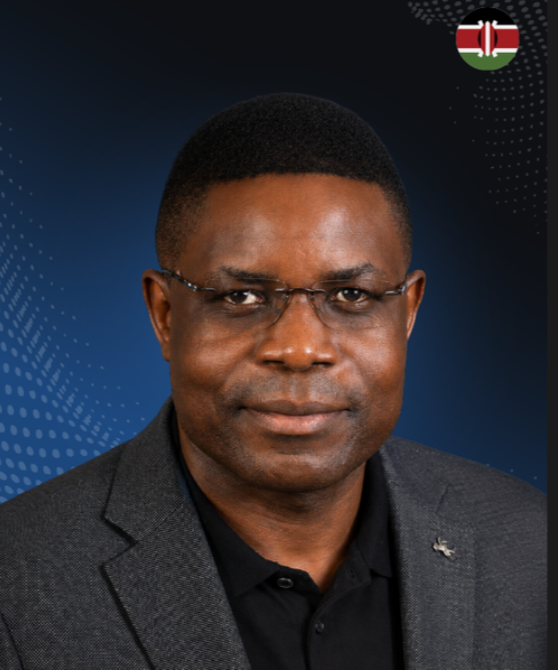



Heading 1
Heading 2
Heading 3
Heading 4
Heading 5
Heading 6
Lorem ipsum dolor sit amet, consectetur adipiscing elit, sed do eiusmod tempor incididunt ut labore et dolore magna aliqua. Ut enim ad minim veniam, quis nostrud exercitation ullamco laboris nisi ut aliquip ex ea commodo consequat. Duis aute irure dolor in reprehenderit in voluptate velit esse cillum dolore eu fugiat nulla pariatur.
Block quote
Ordered list
- Item 1
- Item 2
- Item 3
Unordered list
- Item A
- Item B
- Item C
Bold text
Emphasis
Superscript
Subscript
The e-mobility investment landscape is maturing, with increasing pressure on the green asset class making value creation more challenging. Investors are becoming more cautious, shifting from growth-driven strategies to a stronger focus on performance and profitability.
At the same time, sentiment is evolving, revealing a divide between scalable platform plays and exit-driven approaches. In this context, ecosystem integration and access to new value pools are emerging as key differentiators.
In this session, Martin Weissbart (Partner, Roland Berger) shares insights into how the investment climate is changing and what it takes to win in this next phase.

Heading 1
Heading 2
Heading 3
Heading 4
Heading 5
Heading 6
Lorem ipsum dolor sit amet, consectetur adipiscing elit, sed do eiusmod tempor incididunt ut labore et dolore magna aliqua. Ut enim ad minim veniam, quis nostrud exercitation ullamco laboris nisi ut aliquip ex ea commodo consequat. Duis aute irure dolor in reprehenderit in voluptate velit esse cillum dolore eu fugiat nulla pariatur.
Block quote
Ordered list
- Item 1
- Item 2
- Item 3
Unordered list
- Item A
- Item B
- Item C
Bold text
Emphasis
Superscript
Subscript
The e-mobility investment landscape is maturing, with increasing pressure on the green asset class making value creation more challenging. Investors are becoming more cautious, shifting from growth-driven strategies to a stronger focus on performance and profitability.
At the same time, sentiment is evolving, revealing a divide between scalable platform plays and exit-driven approaches. In this context, ecosystem integration and access to new value pools are emerging as key differentiators.
In this session, Martin Weissbart (Partner, Roland Berger) shares insights into how the investment climate is changing and what it takes to win in this next phase.
Heading 1
Heading 2
Heading 3
Heading 4
Heading 5
Heading 6
Lorem ipsum dolor sit amet, consectetur adipiscing elit, sed do eiusmod tempor incididunt ut labore et dolore magna aliqua. Ut enim ad minim veniam, quis nostrud exercitation ullamco laboris nisi ut aliquip ex ea commodo consequat. Duis aute irure dolor in reprehenderit in voluptate velit esse cillum dolore eu fugiat nulla pariatur.
Block quote
Ordered list
- Item 1
- Item 2
- Item 3
Unordered list
- Item A
- Item B
- Item C
Bold text
Emphasis
Superscript
Subscript
Full session details coming soon — check back shortly!
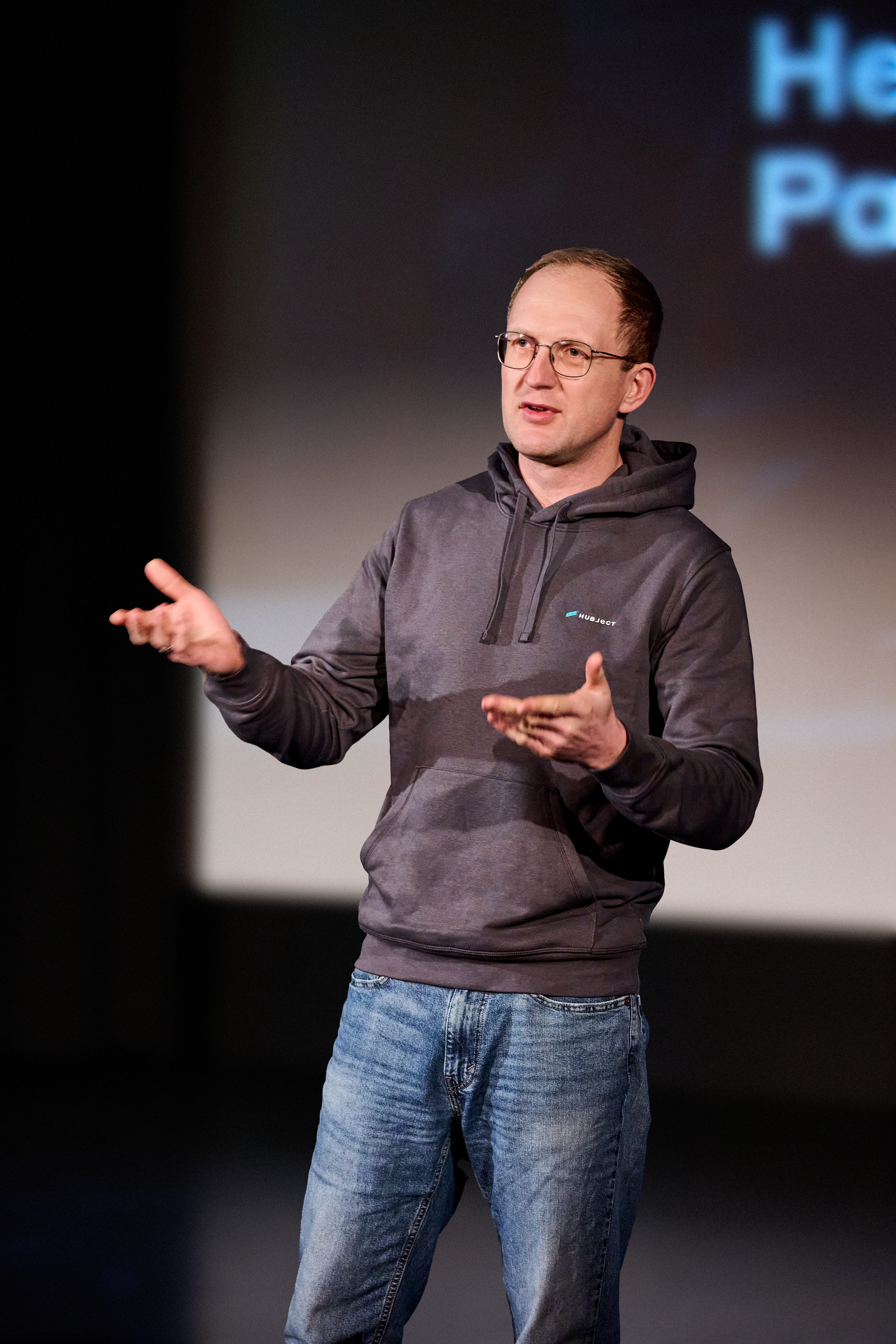
Heading 1
Heading 2
Heading 3
Heading 4
Heading 5
Heading 6
Lorem ipsum dolor sit amet, consectetur adipiscing elit, sed do eiusmod tempor incididunt ut labore et dolore magna aliqua. Ut enim ad minim veniam, quis nostrud exercitation ullamco laboris nisi ut aliquip ex ea commodo consequat. Duis aute irure dolor in reprehenderit in voluptate velit esse cillum dolore eu fugiat nulla pariatur.
Block quote
Ordered list
- Item 1
- Item 2
- Item 3
Unordered list
- Item A
- Item B
- Item C
Bold text
Emphasis
Superscript
Subscript
Indigo runs parking across the world, and charging is becoming part of what a parking space is for. Wilfried Thierry leads the group's digital, customer experience and e-mobility work. In conversation with Glenn L'Heveder of AMPECO, he talks about what changes when a parking operator becomes a charging operator, and what drivers notice when it works.


Heading 1
Heading 2
Heading 3
Heading 4
Heading 5
Heading 6
Lorem ipsum dolor sit amet, consectetur adipiscing elit, sed do eiusmod tempor incididunt ut labore et dolore magna aliqua. Ut enim ad minim veniam, quis nostrud exercitation ullamco laboris nisi ut aliquip ex ea commodo consequat. Duis aute irure dolor in reprehenderit in voluptate velit esse cillum dolore eu fugiat nulla pariatur.
Block quote
Ordered list
- Item 1
- Item 2
- Item 3
Unordered list
- Item A
- Item B
- Item C
Bold text
Emphasis
Superscript
Subscript
The next phase of charging is much harder - and it has already started.
The first chapter of this industry is largely written: get charge points online, manage them, bill drivers. That work mattered - but increasingly, it was the easy part.
What comes next is much harder. Payments start to look like regulated finance, and fraud follows the money. Protocols become two to three times more sophisticated. The grid stops being something you simply plug into and starts determining what you're allowed to build. Roaming and cross-border settlement add another layer of complexity that most platforms were never built to handle.
Monta CEO Casper Rasmussen makes the case that CPOs shouldn't have to build all of this themselves. This complexity is digital infrastructure to build on, not another backend to build from scratch. The operators that win the next phase will be the ones that focus on what makes them different - and let their software handle the rest.
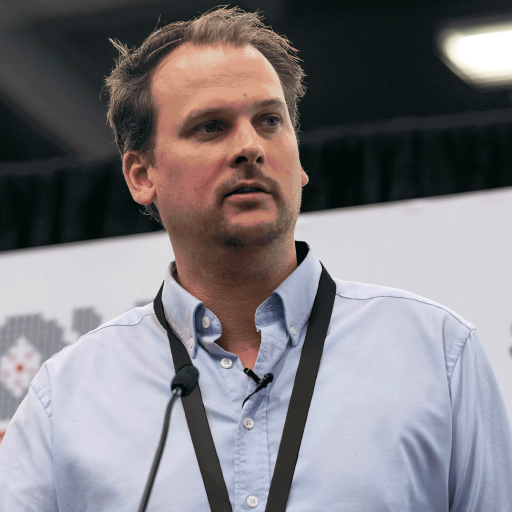
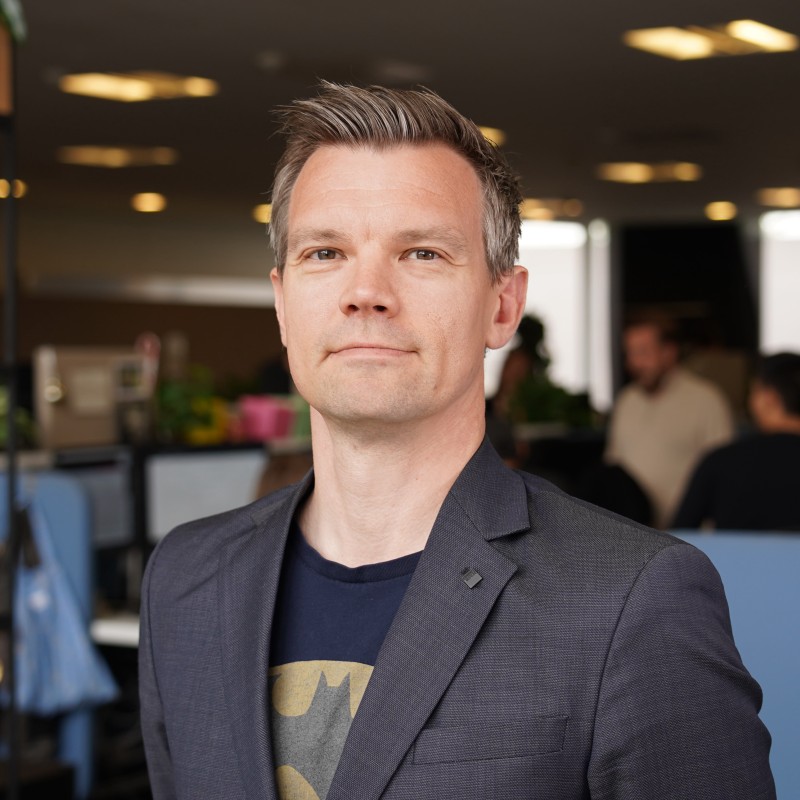
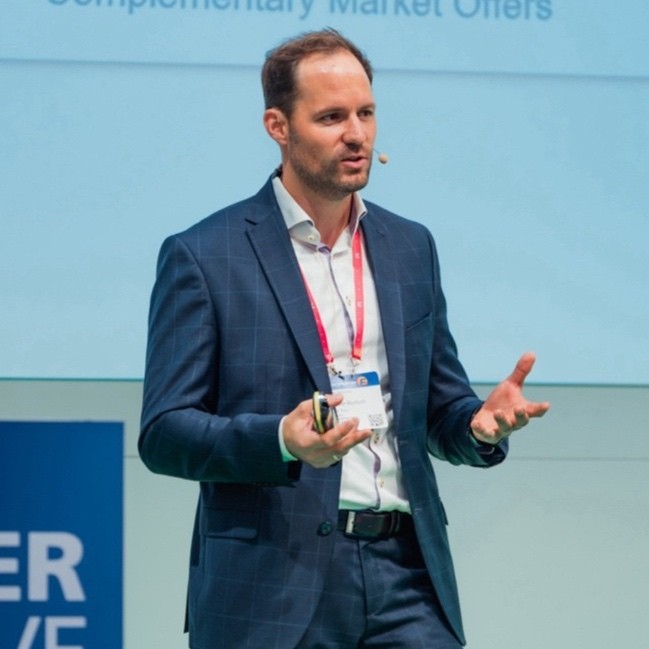
Heading 1
Heading 2
Heading 3
Heading 4
Heading 5
Heading 6
Lorem ipsum dolor sit amet, consectetur adipiscing elit, sed do eiusmod tempor incididunt ut labore et dolore magna aliqua. Ut enim ad minim veniam, quis nostrud exercitation ullamco laboris nisi ut aliquip ex ea commodo consequat. Duis aute irure dolor in reprehenderit in voluptate velit esse cillum dolore eu fugiat nulla pariatur.
Block quote
Ordered list
- Item 1
- Item 2
- Item 3
Unordered list
- Item A
- Item B
- Item C
Bold text
Emphasis
Superscript
Subscript
Heading 1
Heading 2
Heading 3
Heading 4
Heading 5
Heading 6
Lorem ipsum dolor sit amet, consectetur adipiscing elit, sed do eiusmod tempor incididunt ut labore et dolore magna aliqua. Ut enim ad minim veniam, quis nostrud exercitation ullamco laboris nisi ut aliquip ex ea commodo consequat. Duis aute irure dolor in reprehenderit in voluptate velit esse cillum dolore eu fugiat nulla pariatur.
Block quote
Ordered list
- Item 1
- Item 2
- Item 3
Unordered list
- Item A
- Item B
- Item C
Bold text
Emphasis
Superscript
Subscript
Heading 1
Heading 2
Heading 3
Heading 4
Heading 5
Heading 6
Lorem ipsum dolor sit amet, consectetur adipiscing elit, sed do eiusmod tempor incididunt ut labore et dolore magna aliqua. Ut enim ad minim veniam, quis nostrud exercitation ullamco laboris nisi ut aliquip ex ea commodo consequat. Duis aute irure dolor in reprehenderit in voluptate velit esse cillum dolore eu fugiat nulla pariatur.
Block quote
Ordered list
- Item 1
- Item 2
- Item 3
Unordered list
- Item A
- Item B
- Item C
Bold text
Emphasis
Superscript
Subscript
Heading 1
Heading 2
Heading 3
Heading 4
Heading 5
Heading 6
Lorem ipsum dolor sit amet, consectetur adipiscing elit, sed do eiusmod tempor incididunt ut labore et dolore magna aliqua. Ut enim ad minim veniam, quis nostrud exercitation ullamco laboris nisi ut aliquip ex ea commodo consequat. Duis aute irure dolor in reprehenderit in voluptate velit esse cillum dolore eu fugiat nulla pariatur.
Block quote
Ordered list
- Item 1
- Item 2
- Item 3
Unordered list
- Item A
- Item B
- Item C
Bold text
Emphasis
Superscript
Subscript
Hubject's Private Root Service is the PKI infrastructure that removes bilateral certificate exchange from private-environment Plug&Charge.
Hubject issues a paid leaf certificate for every charger, which EVSE manufacturers embed directly into their units. OEMs contribute the root certificate for those chargers into the Hubject pool, free of charge. On the vehicle side, Hubject provides the PE root certificate letting OEMs add EVs to the pool, also FOC, while OEMs separately supply their own root certificates.
The result: one root of trust - not a web of bilateral relationships.
Heading 1
Heading 2
Heading 3
Heading 4
Heading 5
Heading 6
Lorem ipsum dolor sit amet, consectetur adipiscing elit, sed do eiusmod tempor incididunt ut labore et dolore magna aliqua. Ut enim ad minim veniam, quis nostrud exercitation ullamco laboris nisi ut aliquip ex ea commodo consequat. Duis aute irure dolor in reprehenderit in voluptate velit esse cillum dolore eu fugiat nulla pariatur.
Block quote
Ordered list
- Item 1
- Item 2
- Item 3
Unordered list
- Item A
- Item B
- Item C
Bold text
Emphasis
Superscript
Subscript
Alexander Manolov, Frontier Projects Director at AMPECO, explains how the AMPECO Marketplace actually works: which capabilities AMPECO builds itself, where it deliberately stops and brings in a specialist, and how a partner gets from a first conversation to a working app within an operator's platform. Powerful APIs were never going to be enough on their own, so AMPECO built a layer of standardized integration points on top of them.
Topics covered: the three levels of integration and why the standardized middle one changes the economics for both sides; the business areas AMPECO is building out, from maps and driver support to energy management and flexibility markets; what one operator's real partner stack looks like in practice; and where the next set of apps is coming from.

Heading 1
Heading 2
Heading 3
Heading 4
Heading 5
Heading 6
Lorem ipsum dolor sit amet, consectetur adipiscing elit, sed do eiusmod tempor incididunt ut labore et dolore magna aliqua. Ut enim ad minim veniam, quis nostrud exercitation ullamco laboris nisi ut aliquip ex ea commodo consequat. Duis aute irure dolor in reprehenderit in voluptate velit esse cillum dolore eu fugiat nulla pariatur.
Block quote
Ordered list
- Item 1
- Item 2
- Item 3
Unordered list
- Item A
- Item B
- Item C
Bold text
Emphasis
Superscript
Subscript
Fleet electrification is emerging as one of the fastest‑growing sources of new demand on Europe’s electricity systems. Corporate, municipal and logistics fleets are electrifying at scale, driven by decarbonisation targets, total‑cost‑of‑ownership advantages and regulatory pressure. At the same time, these fleets concentrate charging demand in specific locations and time windows, placing growing pressure on distribution grids.
Yet fleets also represent a unique opportunity. Vehicles are predictable, controllable, and often parked for extended periods. With the right digital tools, charging strategies and market conditions, fleet EVs can shift demand, optimise connection capacity, and provide flexibility services that support grid stability rather than strain it. Unlocking this potential will be critical as electricity networks face simultaneous load growth from EVs, electrified industry and digital infrastructure.
This EVision Business Hub session explores how fleet electrification can evolve from a grid constraint into a system asset — and what is needed to make this transition viable at scale.
Objectives of the Session:
The session aims to facilitate a peer‑to‑peer exchange between utilities, fleet operators, OEMs and technology providers on how flexible fleet charging can support grid integration while maintaining operational efficiency.
Participants will examine real‑world approaches to managed charging, depot optimisation and emerging flexibility use cases, and discuss the commercial, regulatory and technical conditions required to scale these solutions across Europe.






Heading 1
Heading 2
Heading 3
Heading 4
Heading 5
Heading 6
Lorem ipsum dolor sit amet, consectetur adipiscing elit, sed do eiusmod tempor incididunt ut labore et dolore magna aliqua. Ut enim ad minim veniam, quis nostrud exercitation ullamco laboris nisi ut aliquip ex ea commodo consequat. Duis aute irure dolor in reprehenderit in voluptate velit esse cillum dolore eu fugiat nulla pariatur.
Block quote
Ordered list
- Item 1
- Item 2
- Item 3
Unordered list
- Item A
- Item B
- Item C
Bold text
Emphasis
Superscript
Subscript
Portugal's evolving regulatory framework is reshaping the electric mobility ecosystem and redefining the role of CPOs. In this session, Luís Castanheira, CEO of REMO – Powered by Mota-Engil, will explore what this transition means in practice for CPOs, from interoperability and customer experience to grid constraints and profitability, while also highlighting emerging opportunities in fleet electrification and integrated energy solutions, and how Portugal's EV charging market is converging with the broader European framework.
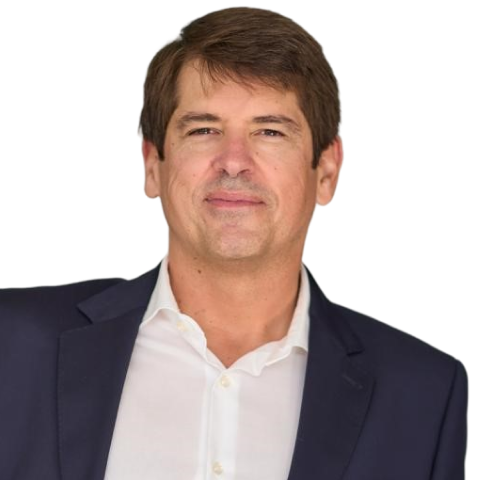
Heading 1
Heading 2
Heading 3
Heading 4
Heading 5
Heading 6
Lorem ipsum dolor sit amet, consectetur adipiscing elit, sed do eiusmod tempor incididunt ut labore et dolore magna aliqua. Ut enim ad minim veniam, quis nostrud exercitation ullamco laboris nisi ut aliquip ex ea commodo consequat. Duis aute irure dolor in reprehenderit in voluptate velit esse cillum dolore eu fugiat nulla pariatur.
Block quote
Ordered list
- Item 1
- Item 2
- Item 3
Unordered list
- Item A
- Item B
- Item C
Bold text
Emphasis
Superscript
Subscript
This panel discussion will bring together leading e-mobility associations from Europe, Canada, and Mexico to exchange perspectives on the global transition towards electric mobility. This session explores the global race for electrification leadership: which countries are setting the pace, how different markets are navigating the transition, and which strategies are proving most effective in accelerating electric mobility. At the same time, it will examine how collaboration across markets, industries, and ecosystems can accelerate the transition, addressing shared challenges and unlocking opportunities through greater alignment, interoperability, and international cooperation.

Heading 1
Heading 2
Heading 3
Heading 4
Heading 5
Heading 6
Lorem ipsum dolor sit amet, consectetur adipiscing elit, sed do eiusmod tempor incididunt ut labore et dolore magna aliqua. Ut enim ad minim veniam, quis nostrud exercitation ullamco laboris nisi ut aliquip ex ea commodo consequat. Duis aute irure dolor in reprehenderit in voluptate velit esse cillum dolore eu fugiat nulla pariatur.
Block quote
Ordered list
- Item 1
- Item 2
- Item 3
Unordered list
- Item A
- Item B
- Item C
Bold text
Emphasis
Superscript
Subscript
OCPP and ISO 15118 are often presented as complementary building blocks of the smart charging ecosystem: ISO 15118 for EV-to-charger communication and OCPP for charger-to-backend operation, monitoring, and control. In practice, however, there is still a significant operational gap between both worlds. Even with OCPP v2.1, only selected ISO 15118 data structures are transported through OCPP. The remaining operational aspects of ISO 15118 including SLAC, SDP, low-level communication setup, certificate-handling details, and protocol-state diagnostics remain largely invisible to OCPP. As a result, they cannot be configured, monitored, managed, or live-debugged from the CSMS side in a standardized way. Interoperability issues between EVs and charging stations are difficult to diagnose. Security-relevant anomalies are hard to distinguish from harmless protocol failures. Manufacturers, operators, roaming platforms, and service providers often lack a shared, standardized view of what actually happened during the ISO 15118 session setup. As a result, debugging remains vendor-specific, slow, expensive, and often dependent on local packet captures or proprietary support access.
This gap may become a serious operational and compliance issue for CPOs under the NIS2 regime. Operators are increasingly expected to understand, monitor, and secure the full lifecycle of their critical infrastructure, including failure analysis, incident response, evidence collection, and supplier-dependent remote access paths. If key ISO 15118 functions remain hidden behind vendor-specific implementations, CPOs may struggle to demonstrate effective control over security-relevant charging processes at scale.
The session proposes an approach for securely exposing ISO 15118 operational state, diagnostics, and selected live-debugging capabilities through OCPP, its Device Model and some extensions. The goal is not just to tunnel arbitrary low-level traffic and by this to create new backdoors, but to define controlled, role-based, auditable, and privacy-aware management interfaces for ISO 15118 components. Large-scale smart charging will only work if the ecosystem can operate, diagnose, and secure complex multi-protocol deployments across organizational boundaries. Open standards must not stop at the happy path. They also need to cover failure analysis, security monitoring, remote diagnostics, and lifecycle management.

Heading 1
Heading 2
Heading 3
Heading 4
Heading 5
Heading 6
Lorem ipsum dolor sit amet, consectetur adipiscing elit, sed do eiusmod tempor incididunt ut labore et dolore magna aliqua. Ut enim ad minim veniam, quis nostrud exercitation ullamco laboris nisi ut aliquip ex ea commodo consequat. Duis aute irure dolor in reprehenderit in voluptate velit esse cillum dolore eu fugiat nulla pariatur.
Block quote
Ordered list
- Item 1
- Item 2
- Item 3
Unordered list
- Item A
- Item B
- Item C
Bold text
Emphasis
Superscript
Subscript
Welcome!

Heading 1
Heading 2
Heading 3
Heading 4
Heading 5
Heading 6
Lorem ipsum dolor sit amet, consectetur adipiscing elit, sed do eiusmod tempor incididunt ut labore et dolore magna aliqua. Ut enim ad minim veniam, quis nostrud exercitation ullamco laboris nisi ut aliquip ex ea commodo consequat. Duis aute irure dolor in reprehenderit in voluptate velit esse cillum dolore eu fugiat nulla pariatur.
Block quote
Ordered list
- Item 1
- Item 2
- Item 3
Unordered list
- Item A
- Item B
- Item C
Bold text
Emphasis
Superscript
Subscript